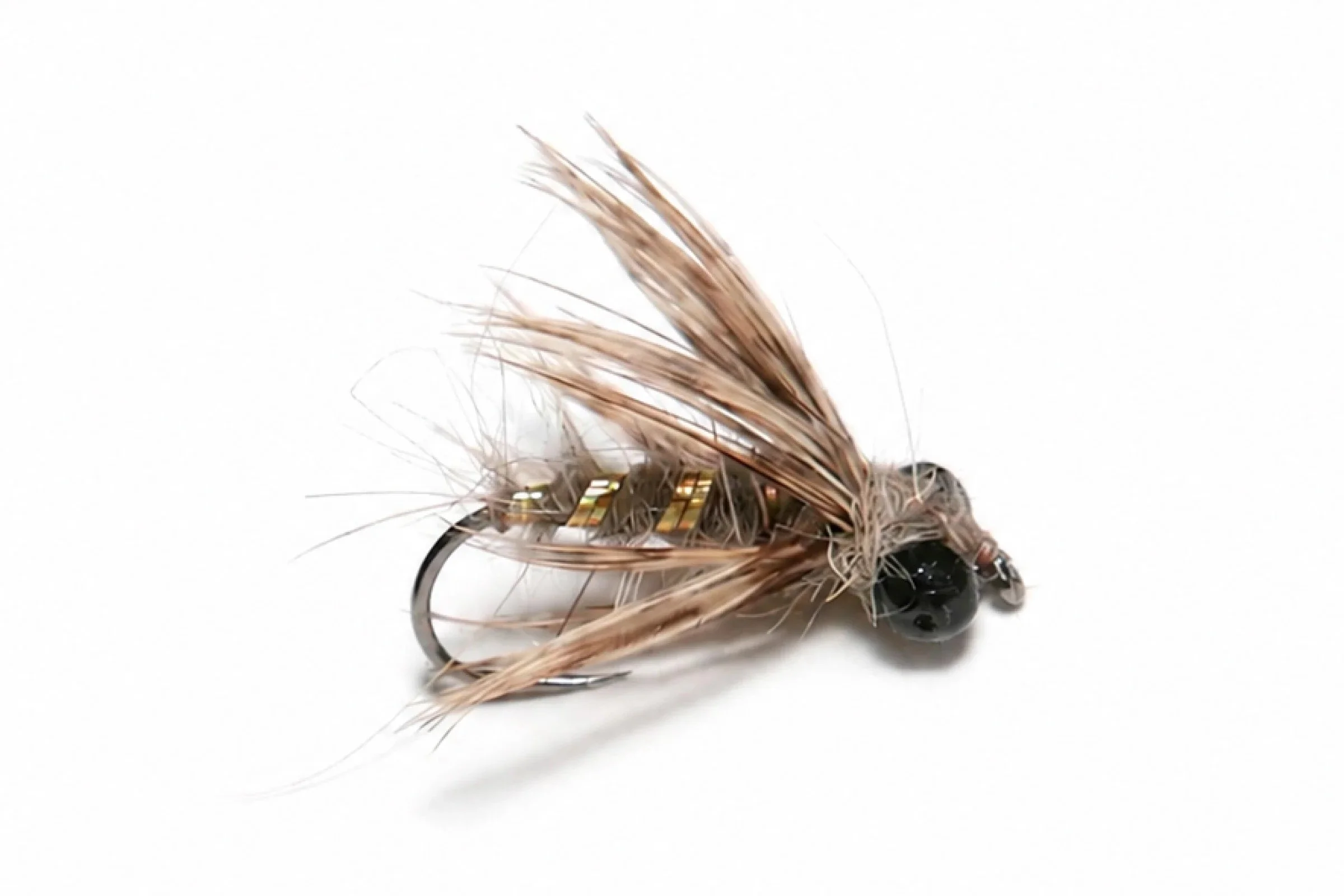
Earlier in the year, Tenkara USA reached out and asked me to share one of my favorite flies for tenkara fishing. I selected a pattern that I use for trout and warm-water fish like carp and panfish. I originally tied the fly for trout; the Hare’s Ear Soft Hackle was meant to imitate a caddis pupa, but with a few tweaks, it turned out to work even better in warm water.
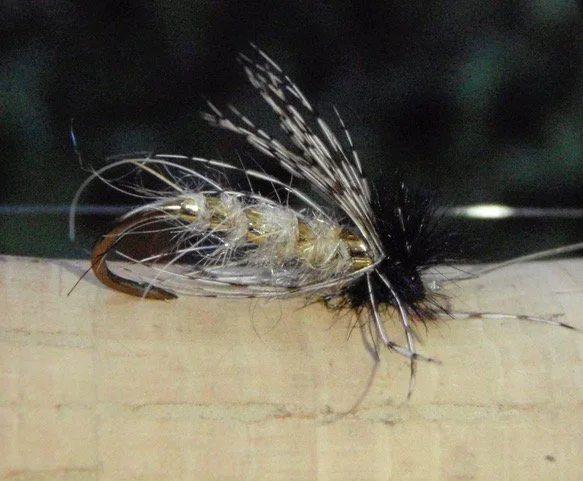
The original Hare’s Ear Soft hackle, still one of my favorite emerger patterns.
The first versions of this pattern were tied without bead chain eyes and used ostrich herl at the front of the fly instead of a darker shade of hare’s ear dubbing. Fished in the film, this was a killer pattern for both emerging caddis and mayflies. By changing the color and size of the fly it could represent the emerging phase of both insects.
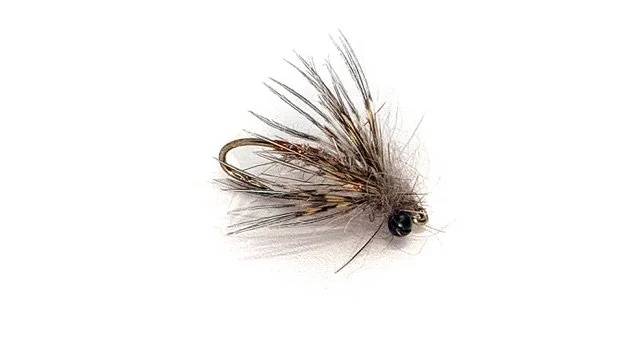
The Hare’s Ear Soft Hackle tied with bead chain eyes.
A large Hare’s Ear nymph is one of my favorite flies for carp. The Hare’s Ear Soft Hackle transformed into one of my favorite carp flies when I made a few modifications to it. I added the bead chain eyes to help the fly sink, since carp feed primarily on or near the bottom. Those bead chain (or mono) eyes also added to the fly’s attractiveness when fished as a caddis pupa as well. I also swapped out the black ostrich herl for a contrasting color of hare’s ear dubbing. The dubbing gave the fly a buggier appearance, was easier to wrap around the eyes, and was far more durable than the ostrich herl. The use of dubbing also allowed me to add a hot spot to the fly, something I often do.
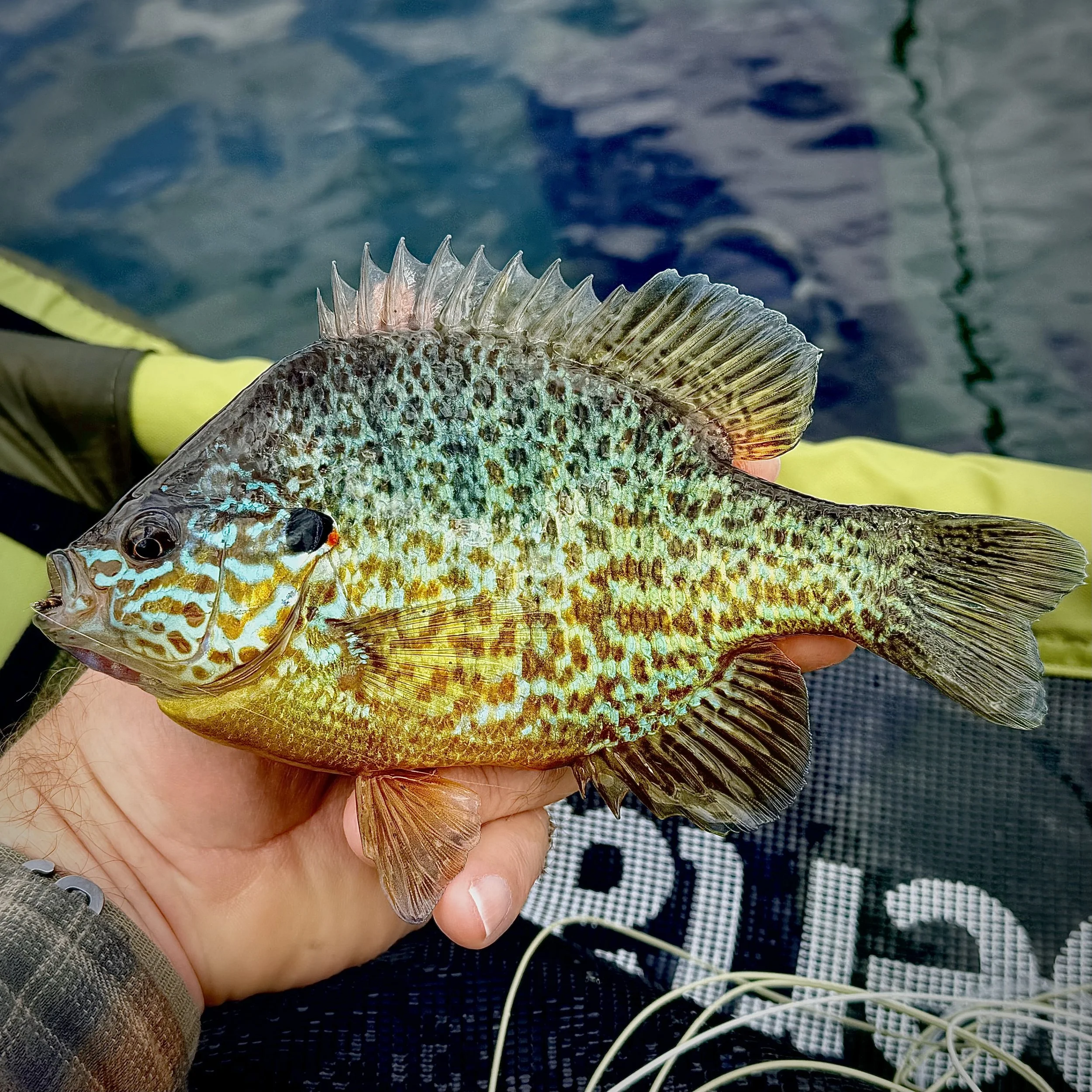
Sunfish likely take the Hare’s Ear Soft Hackle as a damselfly or dragonfly nymph.
While carp fishing, a big redbreast sunfish once charged in and grabbed the fly just as a carp moved in to investigate, and that’s when I realized I probably had a good panfish pattern on my hands as well. The bead chain version of the Hare’s Ear Soft Hackle has been very effective in warm water, probably because the prominent eyes make it look like a damselfly or dragonfly nymph. This fly has been a go-to in my warm water nymph box for years, whether fished on its own or as a dropper. This fly is quick and easy to tie, holds up well, and you can tie it in a range of different colors by swapping out the natural hare’s ear dubbing for your dubbing color of choice. Just be sure to use a dubbing with lots of guard hairs for a buggy appearance. My favorite colors are natural hare’s ear, olive, dark brown, and black.
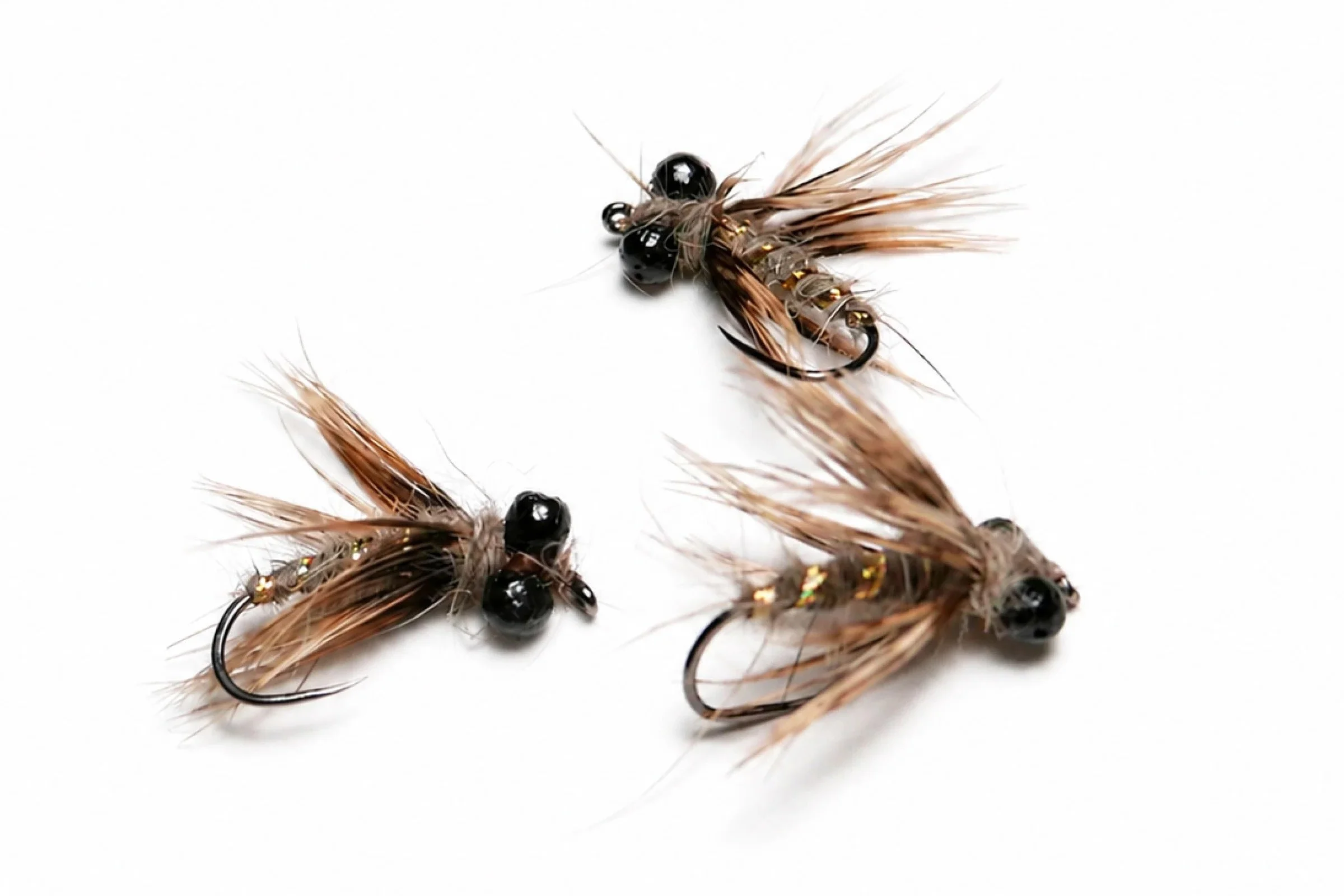
The Tenkara USA version of the pattern features larger bead chain eyes for a faster sink rate.
I picked this fly for Tenkara USA because it’s so versatile—it works just as well in warm or cold water. Most tenkara flies are meant to be fished below the surface, and this one is no exception. When the classic kebari style first came to the West, many people thought it was a dry fly, but it’s actually a wet fly, a wet fly designed to be fished with movement. Tenkara gear lets you add subtle movements to your fly, which really gets the fish’s attention. I don’t mean swinging or dragging the fly across the current, but giving it small twitches and pulses while it drifts naturally in moving water. In still water, I usually retrieve the fly with a pulsing retrieve, with slow sweeps of the rod, or use a hand-twist retrieve with a regular fly rod.
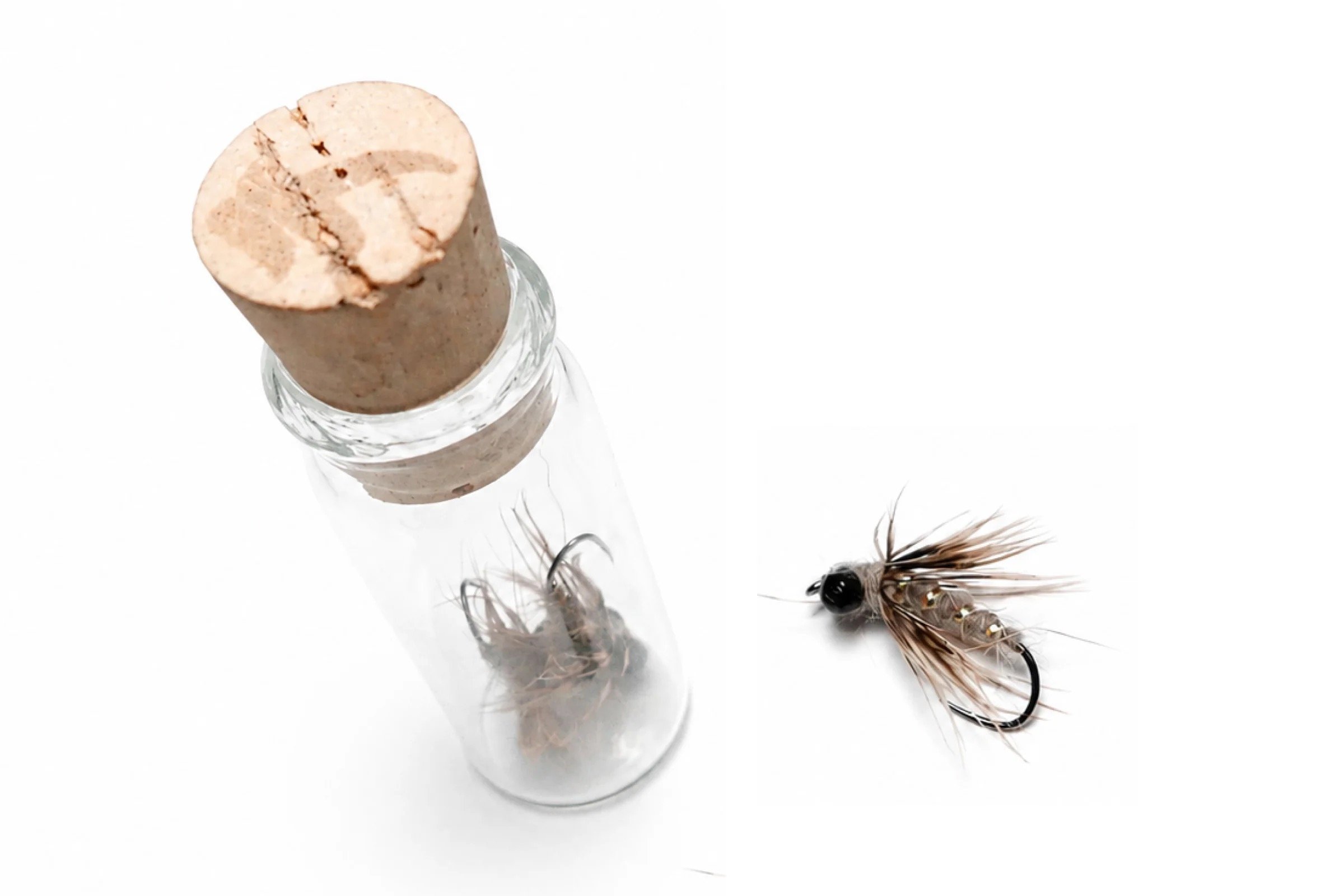
The flies sold by Tenkara USA are uniquely packaged.
This fly is now available for purchase on Tenkara USA’s website, but I’ve also included a recipe at the end of this post for anyone who likes to tie their own. When I look at my original emerger pattern and the version now offered by Tenkara USA, you can see how it changed from imitating a specific insect, like a caddis fly, to a more general pattern that could imitate many different things.
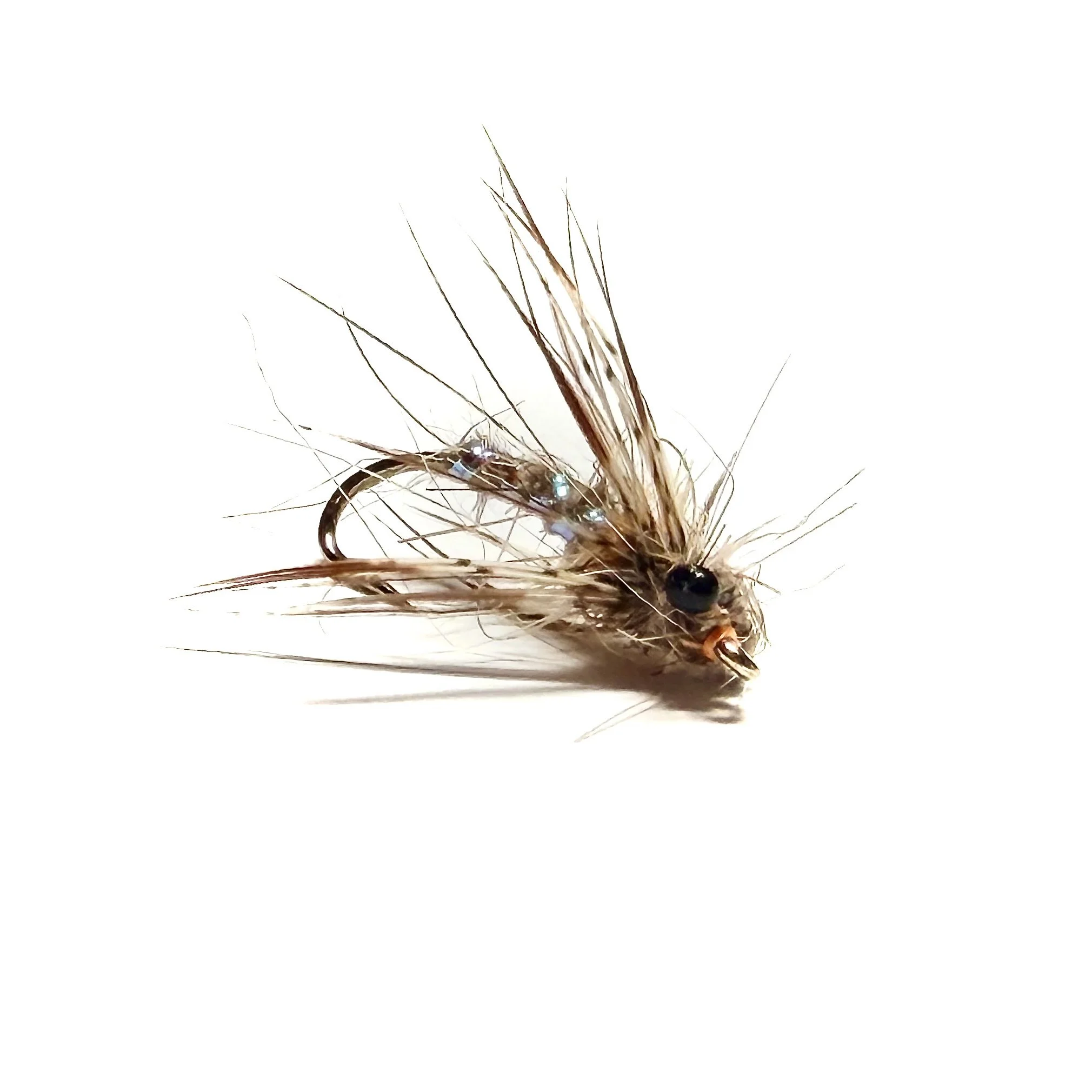
Pattern Recipe:
Hook: Natural Bend Panfish Hook (size 8 or 10)
Thread: 8/0 Semperfli Classic Waxed
Ribbing: Fine gold, copper, or holographic tinsel
Body: Light hare’s ear dubbing
Hot Spot (optional): Orange hare’s ear dubbing Hackle: Partridge, grouse, or hen
Thorax: Dark hare’s ear dubbing
Eyes: Mono or bead chain (mono for fishing the film/bead chain for sinking flies)
Head: Dark hare’s ear dubbing x-wrapped around eyes.
