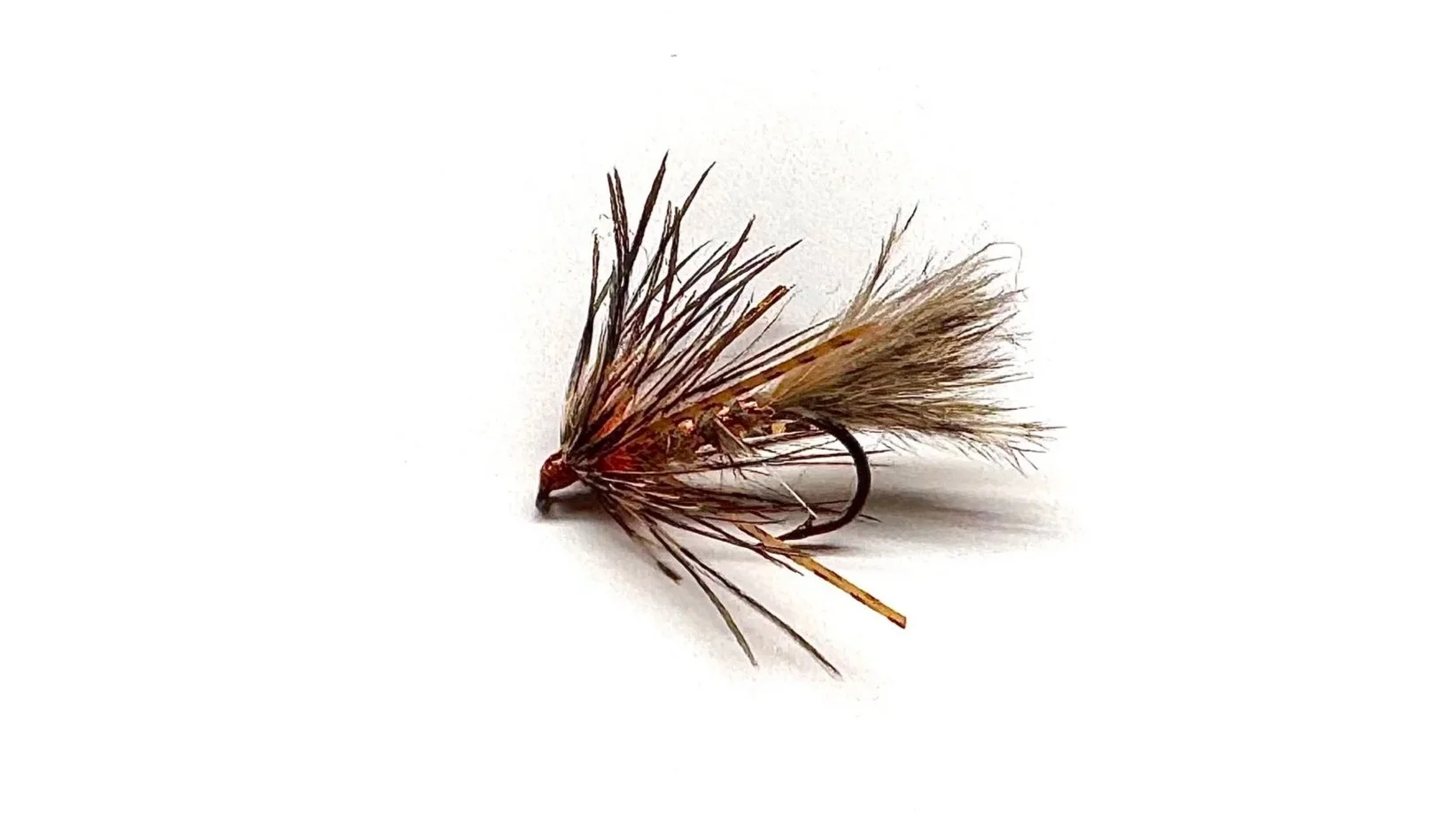
A Proven Pattern - Why Change It?
Soft hackle wet flies are hands down my favorite panfish patterns when fishing below the surface. Traditionally tied soft hackles are extremely effective, so it may seem unnecessary to change them. However, sometimes making a thoughtful adjustment—like adding rubber legs—can actually improve an already successful pattern. I do not believe in changing flies for the sake of novelty. Instead, my purpose is to explore whether rubber legs make the pattern more effective. Read on...
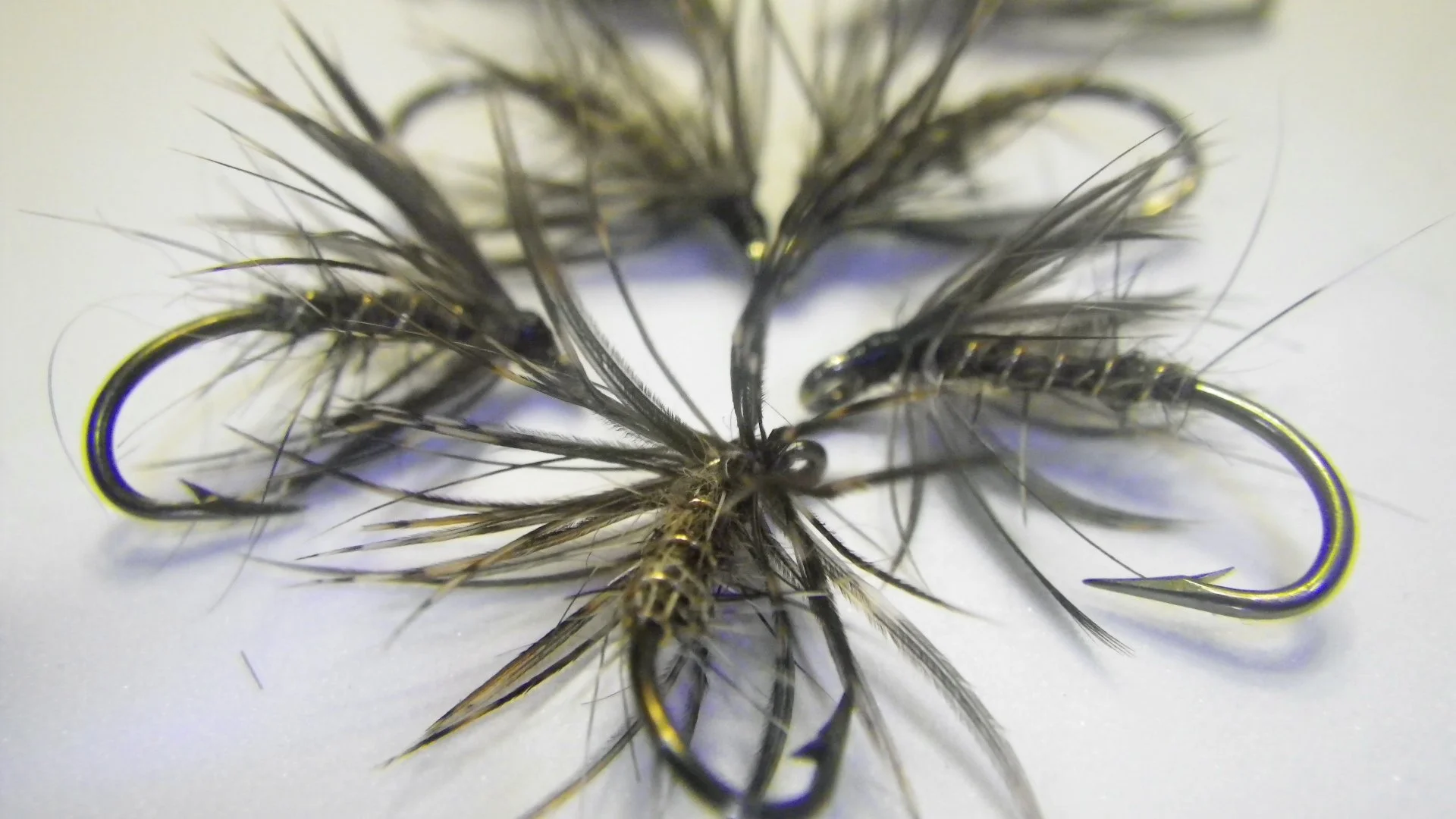
Traditionally tied Hare’s Ear Soft Hackles
A Break From Tradition
Knotted pheasant tail legs have been used on soft hackle flies for decades, adding movement and bugginess that hackle and dubbing alone cannot. The downside: knotted pheasant tail fibers are among the most delicate materials I've worked with, and the legs are time-consuming to make. Although finished flies look great, the legs often break after a fish or two.
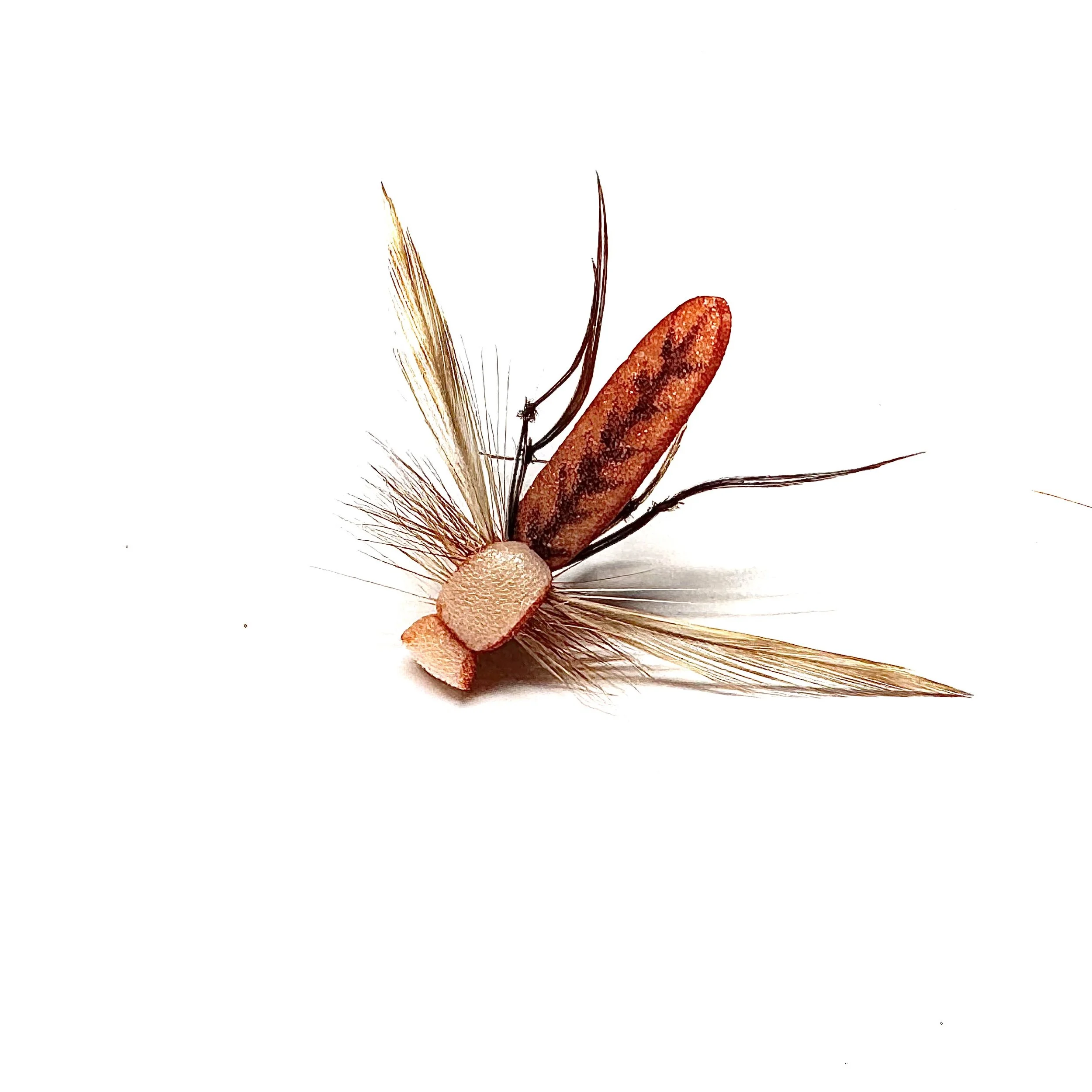
An adult cranefly pattern tied with knotted pheasant tail legs
Fixing The Problem
Looking for a more durable solution, I adopted a technique I used on another fly that used knotted pheasant tail fiber legs - the Crane Fly, also called Daddy Long Legs by our friends across the pond. Craneflies are one of my favorite summertime topwater panfish flies. The big, gangly bugs are common in my area, and I often encounter them on the water. The knotted pheasant legs are an essential aspect of this pattern, so I go through the trouble of adding them. However, they suffer the same problems as knotted pheasant tail legs on soft hackle wet flies. They are too damn fragile and don't last long. Once the fly loses its legs, it continues to work, but I get more looks and fewer refusals when the legs are present.
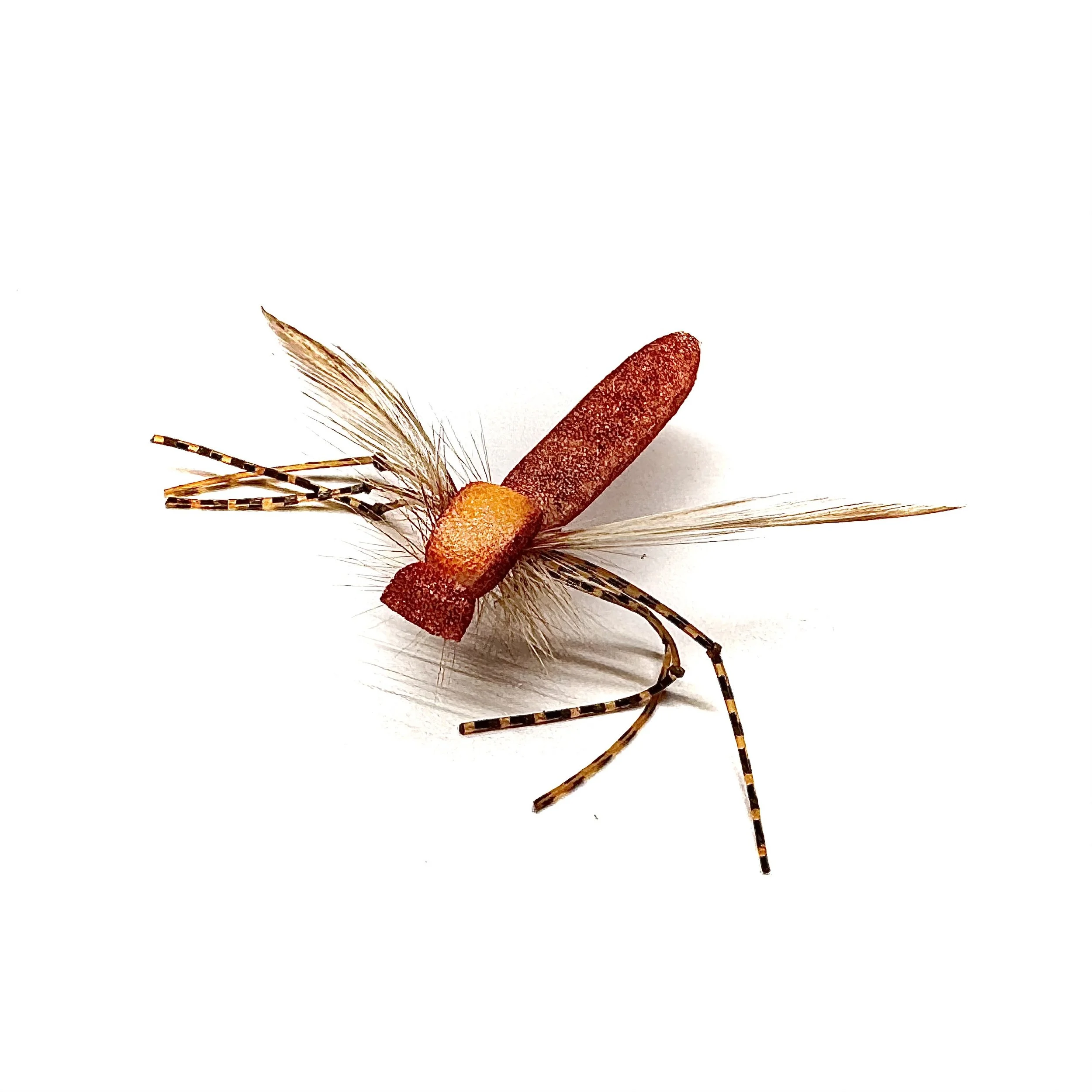
A adult cranefly tied with knotted silicon legs
Synthetic vs. Natural
I received samples of Hareline's Micro Grizzly Flutter Legs, which are thin, barred silicon legs ideal for small flies. Replacing the knotted pheasant tail legs on craneflies with this material made tying easier, and the legs are far more durable while preserving the multi-joint look.
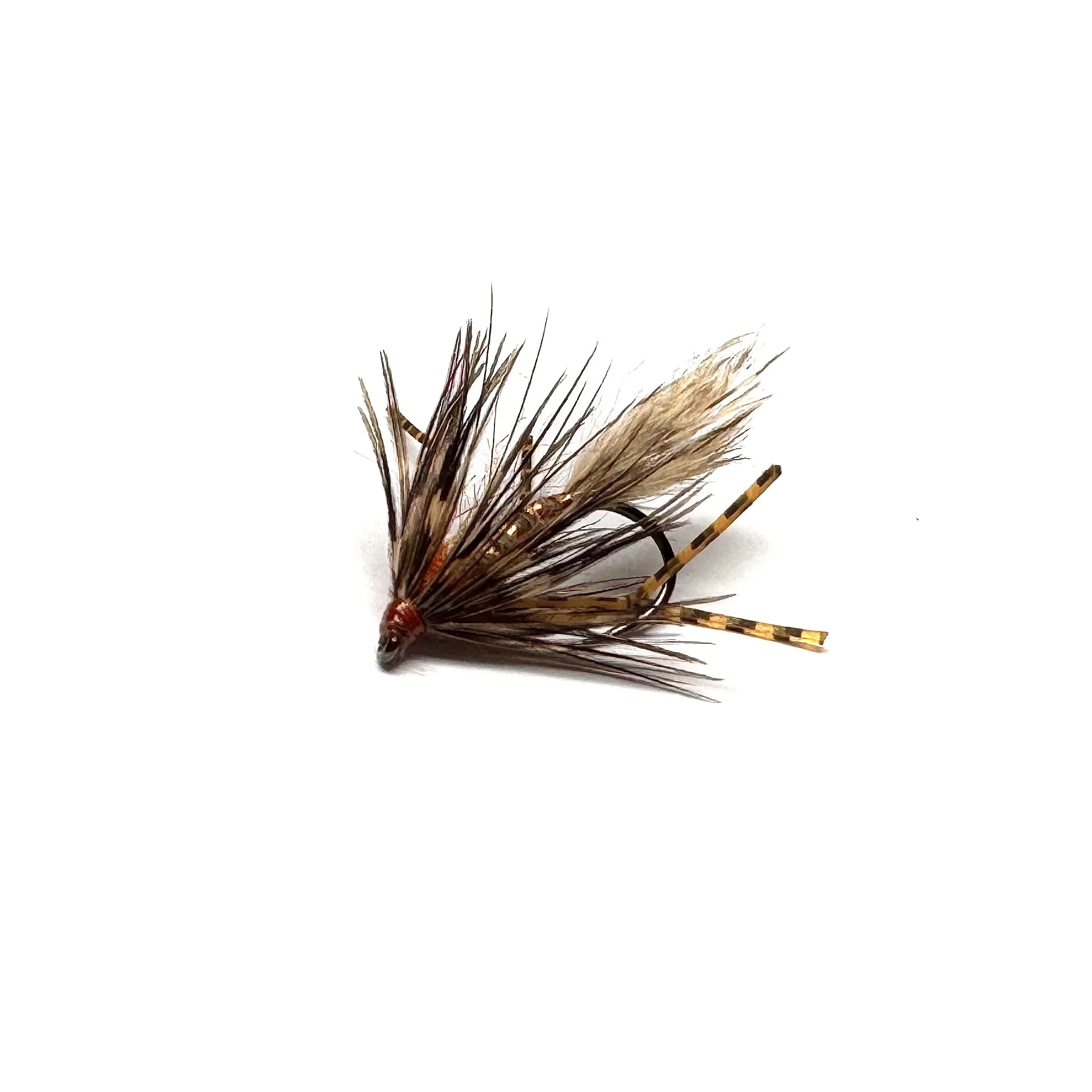
Early versions of this pattern used knotted silicon legs
I next used micro-silicon legs to replace knotted pheasant tail in my soft hackle patterns. They worked well, offering better movement when the fly is pulled through water. Unlike knotted pheasant legs that collapse during retrieves, silicon legs stay active, enhancing the fly's appeal.
The K.I.S.S. Principle
My friend and fellow fly tier Lou Digena follows the K.I.S.S. (Keep It Simple, Stupid) principle in many of his flies, emphasizing that unnecessary complexity should be avoided—most systems work best when simple rather than complicated.
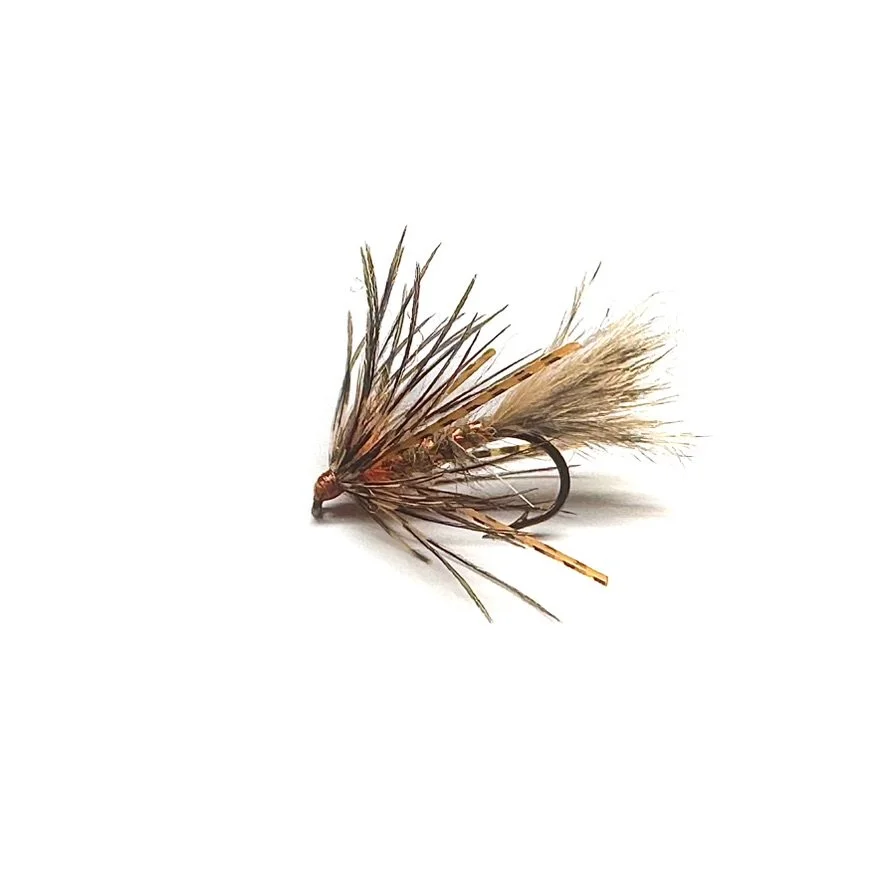
Eliminating the knots in the leg material made tying easier and did not reduce its effectiveness
Following this principle, I removed knots from the silicon legs. The fly still produced as well, so I was happy to skip the extra step of preparing knotted rubber legs.
Why Complicate Things By Adding Legs In The First Place?
Why even bother adding legs to an already successful fly? A traditional soft hackle is extremely productive for panfish, so it's fair to question if adding silicon legs is necessary. My thought was that adding silicon legs could make it more effective. This addition is not for novelty but for genuine performance improvement.
Panfish love rubber legs. The movement from added legs is irresistible, explaining why many panfish flies include them. Legs on soft hackles improve action and help prop up the hackle fibers when retrieved, giving the fly a more noticeable profile in stained waters.
The legs also extend the life of the fly. Hackle fibers are delicate and often get damaged. Rubber legs provide consistent movement and profile even after the hackle fibers are worn away, maintaining the fly's effectiveness. One could argue that the K.I.S.S. Principle may warrant eliminating the feather hackle completely. Maybe that is true, but I am not ready to go there…yet.
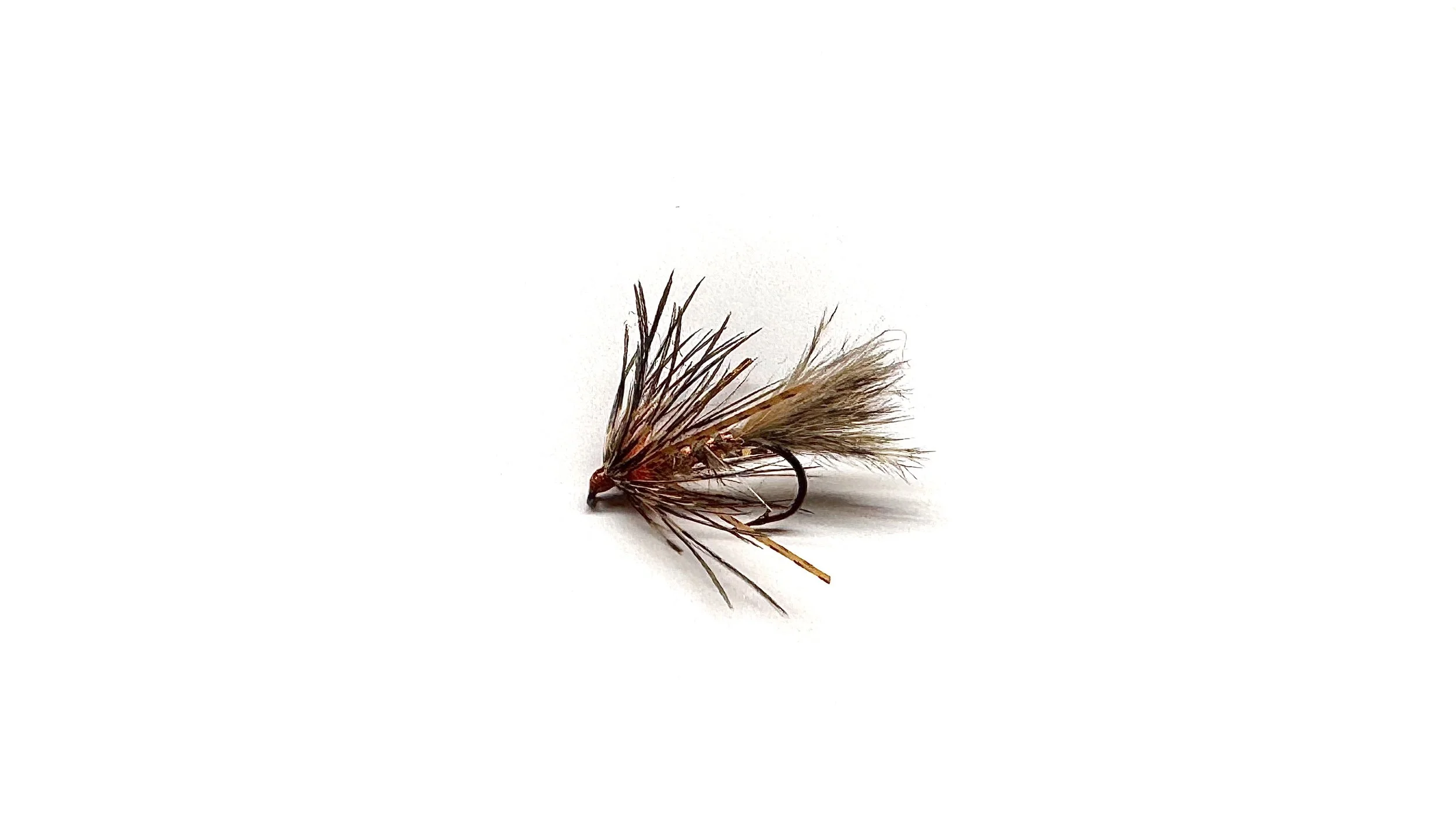
The Soft Hackle Hare’s Ear
One of my favorite soft hackle patterns for panfish is the Hare’s Ear. When fishing the fly in warm water, I change it up a little. I swap the dark thorax of the traditional version for a bright orange one. This provides a subtle bit of color that I feel attracts more fish. It has been well documented that panfish have an affinity for bright colors. This was the first wet fly I added rubber legs to. These days, I seldom tie them without adding fine rubber legs. Feel free to experiment with adding fine rubber/silicon legs to your favorite wet fly pattern.
Decide for yourself
Tie a few up and see if you notice an improvement over traditionally tied soft hackles. The core argument here is whether a simple addition—such as silicon legs—can enhance a classic pattern. Decide for yourself if this extra material is worth your time and effort on panfish wet flies.
