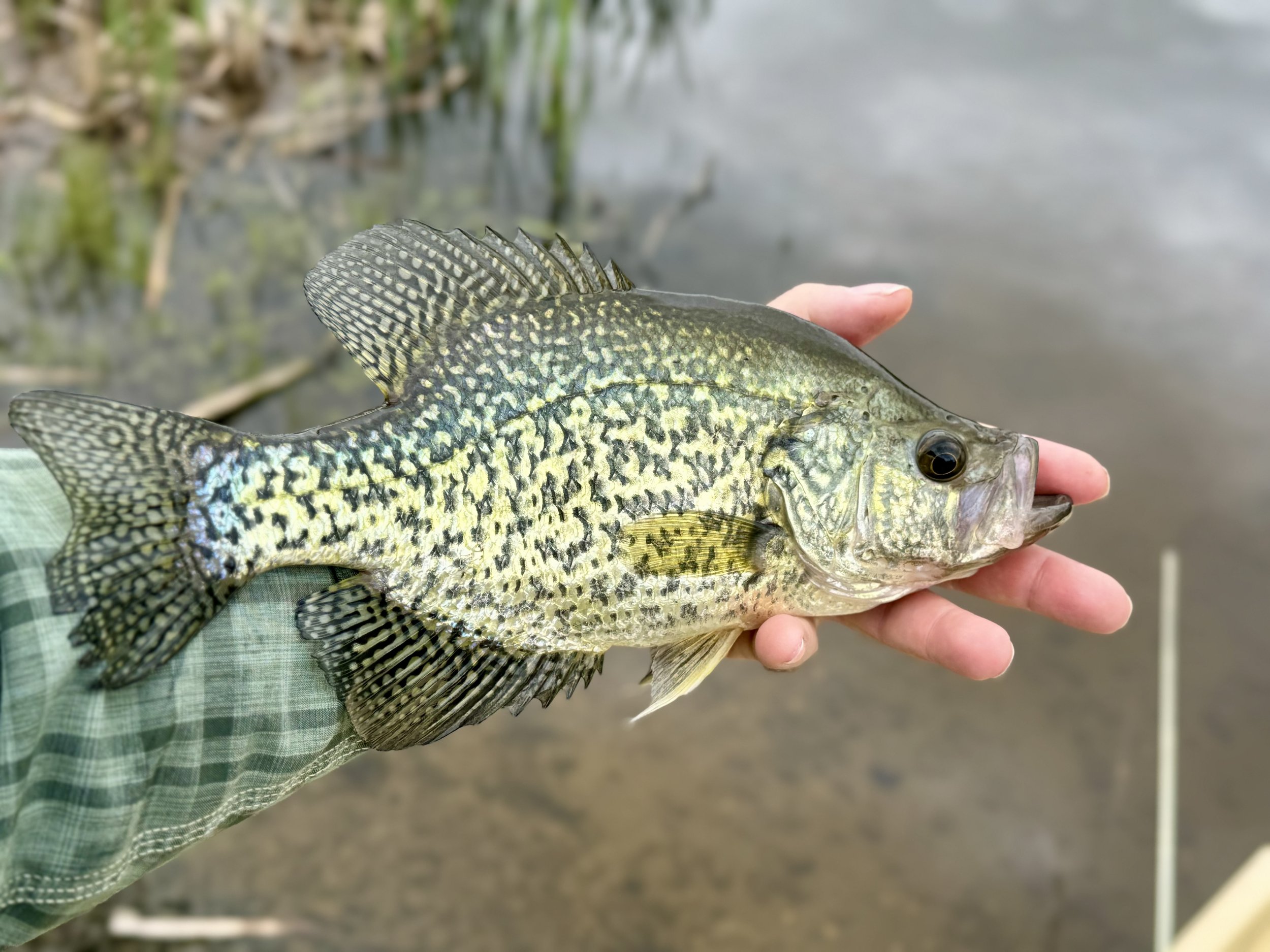
The pun in the title aside, if you chase crappie with a fly rod, now is the time, at least in my neck of the woods. Each year, I watch the trees around my home, specifically Bradford Pears and Dogwoods, for a sign that it’s time to chase crappies. Both trees have white flowers that appear on their branches in early spring. These flowers are my sign that the crappie bite is on. Can I catch them before these trees bloom? The answer is yes. After? Again, another yes. However, when the Bradford Pears and the Dogwoods are in bloom, the fishing is exceptional.
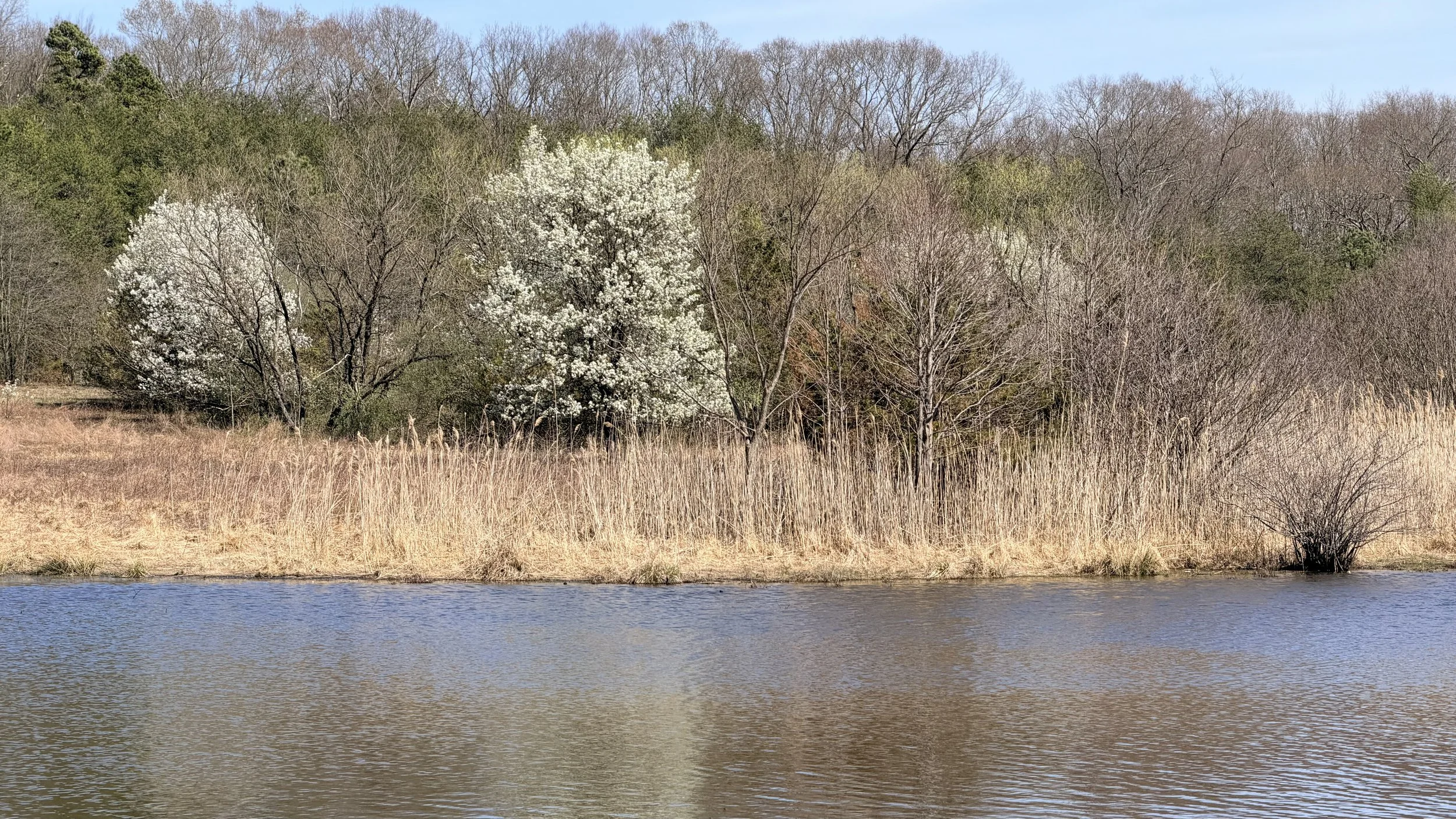
Bradford Pear trees in bloom on the banks of a local pond.
The blooming of flowers and the emergence of insects are triggered by the same environmental factors, such as air and soil temperatures and hours of available daylight. This phenomenon is called a phenological correlation. I have watched flowering plants for many years to give me clues about what’s going on in my local trout streams. This information can also provide valuable insights into the comings and goings of warmwater species.
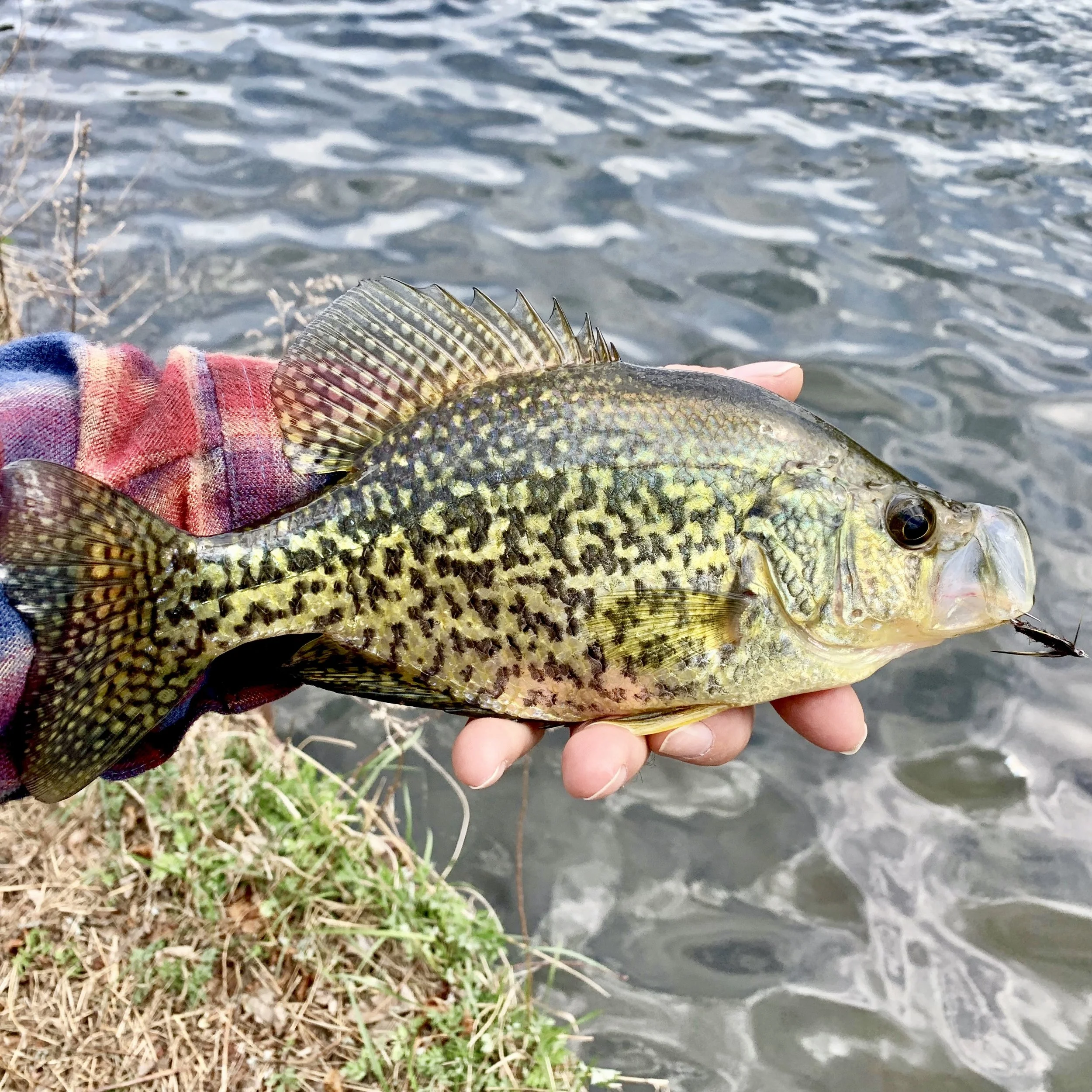
Large wet flies are a solid choice for early season crappies.
Depending on annual weather patterns, these trees begin flowering from early March to late April. This year, due to a particularly cold winter, I had to wait a couple of weeks longer than usual. During this longer wait, I enjoyed a bit more trout fishing while watching the Bradford Pear behind my house for those telltale white flowers to appear. Regardless of the severity of the winter, spring will eventually arrive.
If you fish in other regions, you may not have these particular trees nearby, but the idea remains the same. Local flowering trees, shrubs, or plants that bloom in early spring can be reliable cues that signal crappie activity in your area. Try observing what blooms just as the crappie fishing heats up, and use those seasonal changes as a guide.
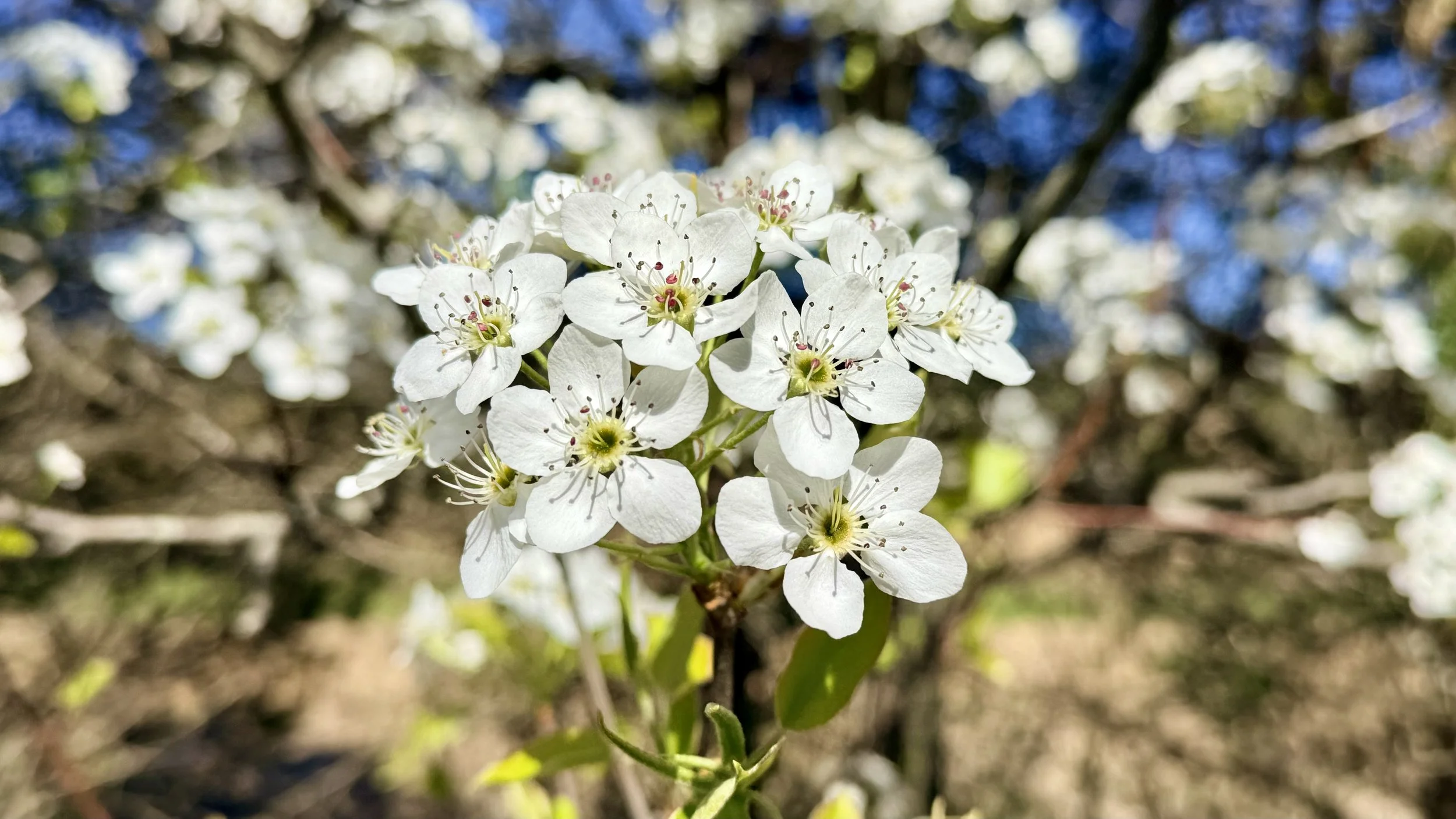
A cluster of flowers on a Bradford Pear tree.
The Bradford Pear will bloom first (early to mid March), followed by the Dogwoods (mid to late April). The two trees look similar at a distance, but their flowers' scents will give them away. While the Dogwood flowers have a pleasing, sweet smell, I find the scent of the Bradford Pear rather unpleasant.
In my area, the Bradford Pear flowers indicate that the pre-spawn stage has begun. By the time the Dogwoods bloom, spawning activity is usually in full swing. Crappies, which prefer slightly cooler water, will spawn before other sunfish species such as bass and bluegills.
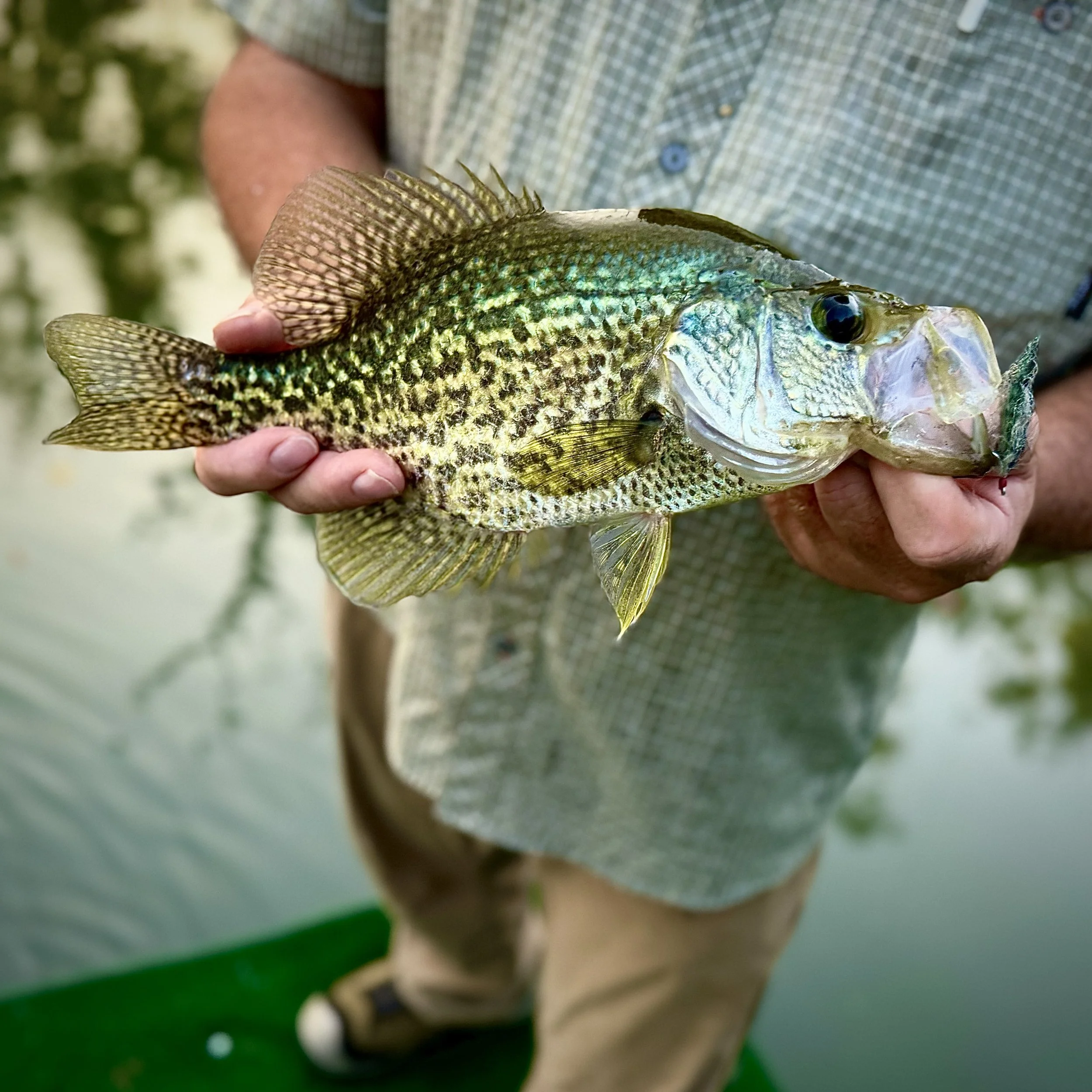
Small streamers are go-to pattern for crappies.
Favorite Flies:
As we enter the second week in April here in the mid-Atlantic, the Bradford Pears are covered in white flowers, and crappies are returning to shallow water to feed and look for potential spawning sites. These fish feed ravenously at this time of year to build a calorie reserve to get them through the rigors of spawning.
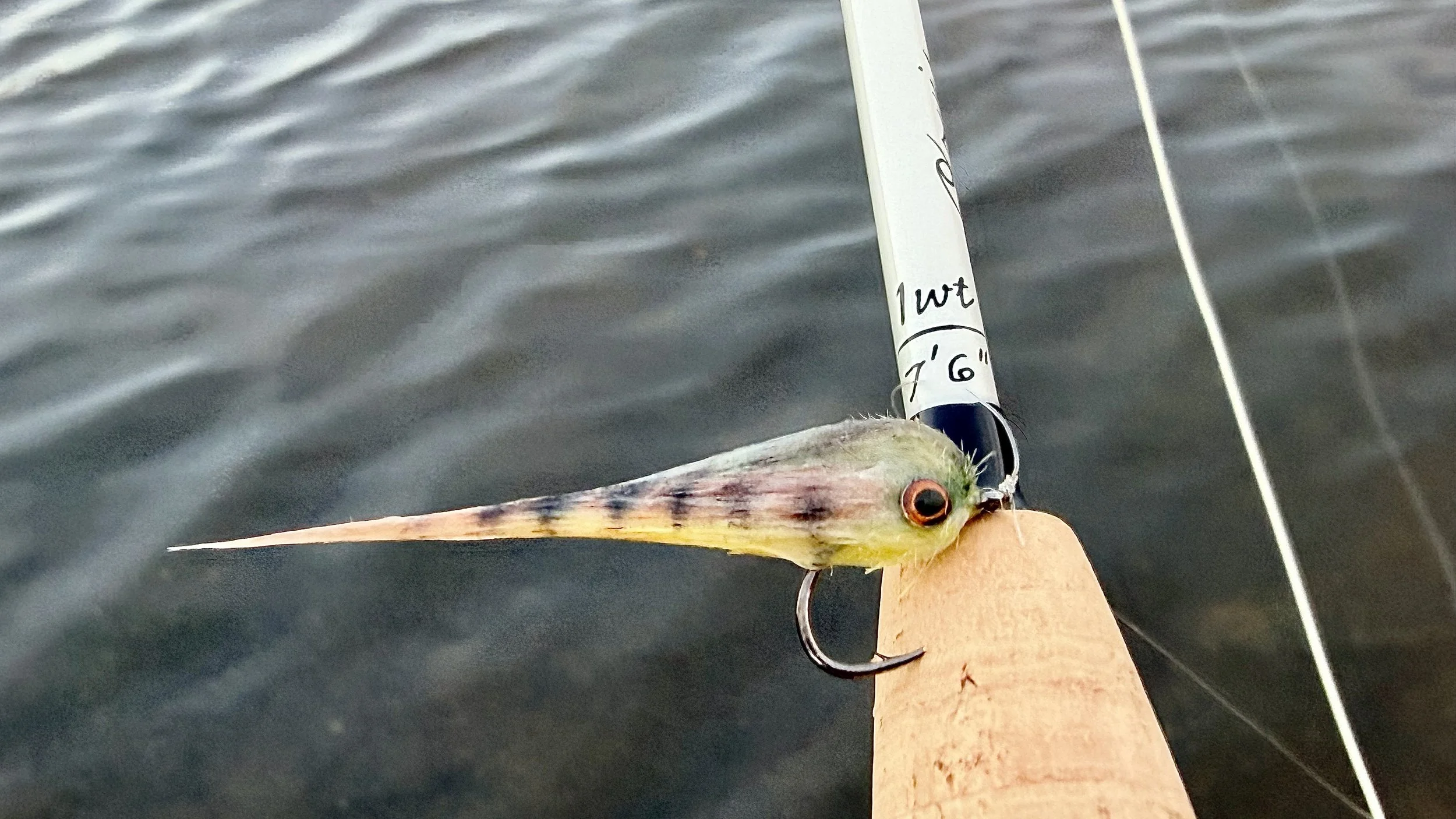
A small craft fur streamer can be cast on the lightest fly rods
At this time of year, my preferred crappie patterns are big wet flies and small streamers. Some of my go-to wet flies include classic patterns like Woolly Worms, Soft Hackles, Carey Specials, as well as traditional winged wet flies. When it comes to streamers, I have good success with woolly buggers, small craft fur streamers, mini Clouser Minnows, small Zonkers, James Wood Bucktails, and Marabou Leeches. Later in the season, I will add topwater patterns to my arsenal. For surface action, I like my Triangle Bug, small hard and soft-bodied poppers, foam-bodied spiders, gurglers, and the classic Sneaky Pete. Crappies will feed on the surface, especially on overcast days and early and late in the day when light levels are lower.
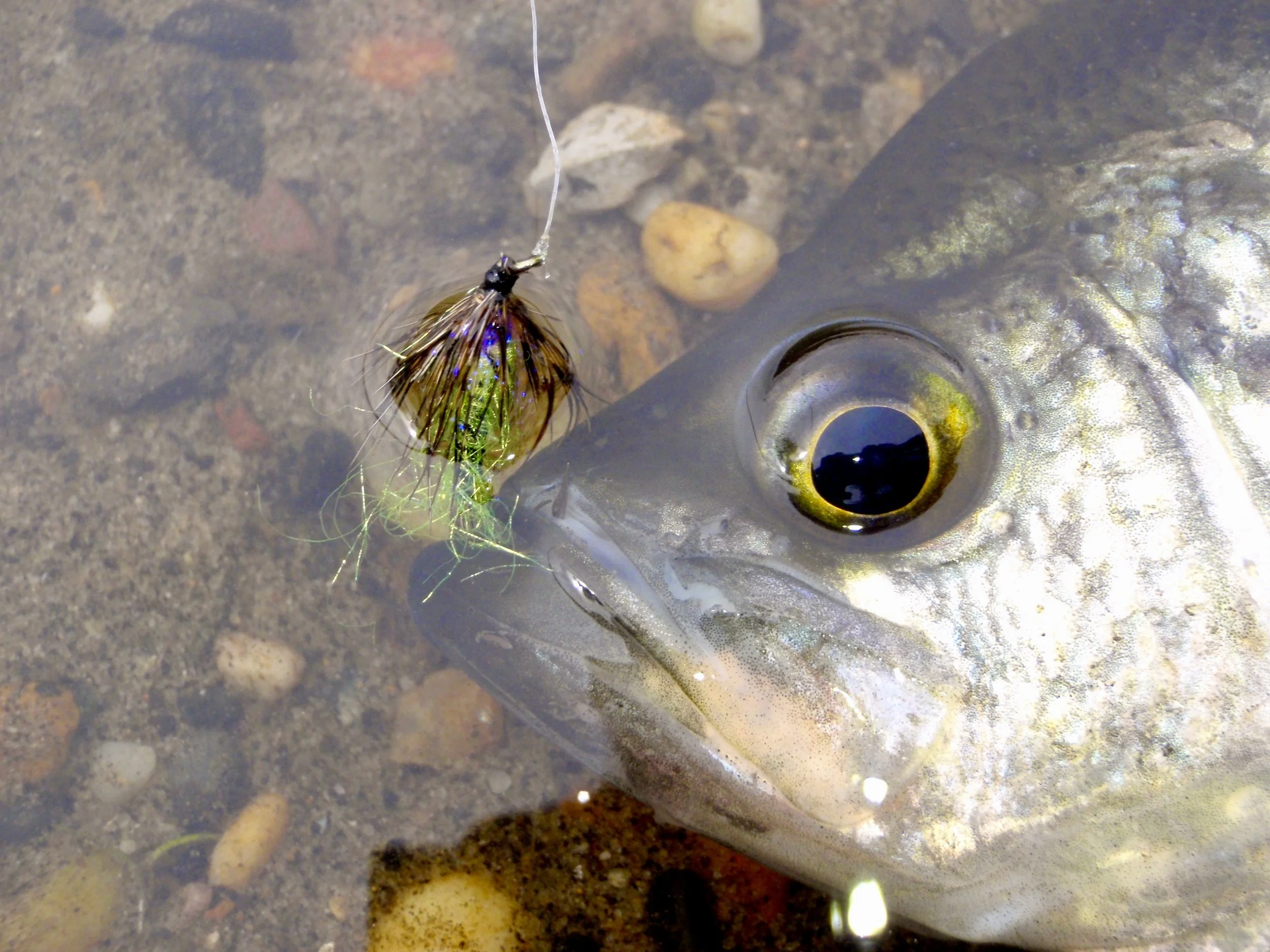
Large brightly colored soft hackle wet flies are deadly on crappie!
The early pre-spawn season is often plagued by unstable weather, and this year has been no exception. Occasional seventy-degree days begin to warm the water and bring fish shallow; then, when a cold front brings spitting snow and thirty-degree temperatures, the fish retreat to the depths. Even in these conditions, the fish will feed, but flies must be presented on painfully slow retrieves. During these times, I swap out my small streamers for patterns like my Creature.
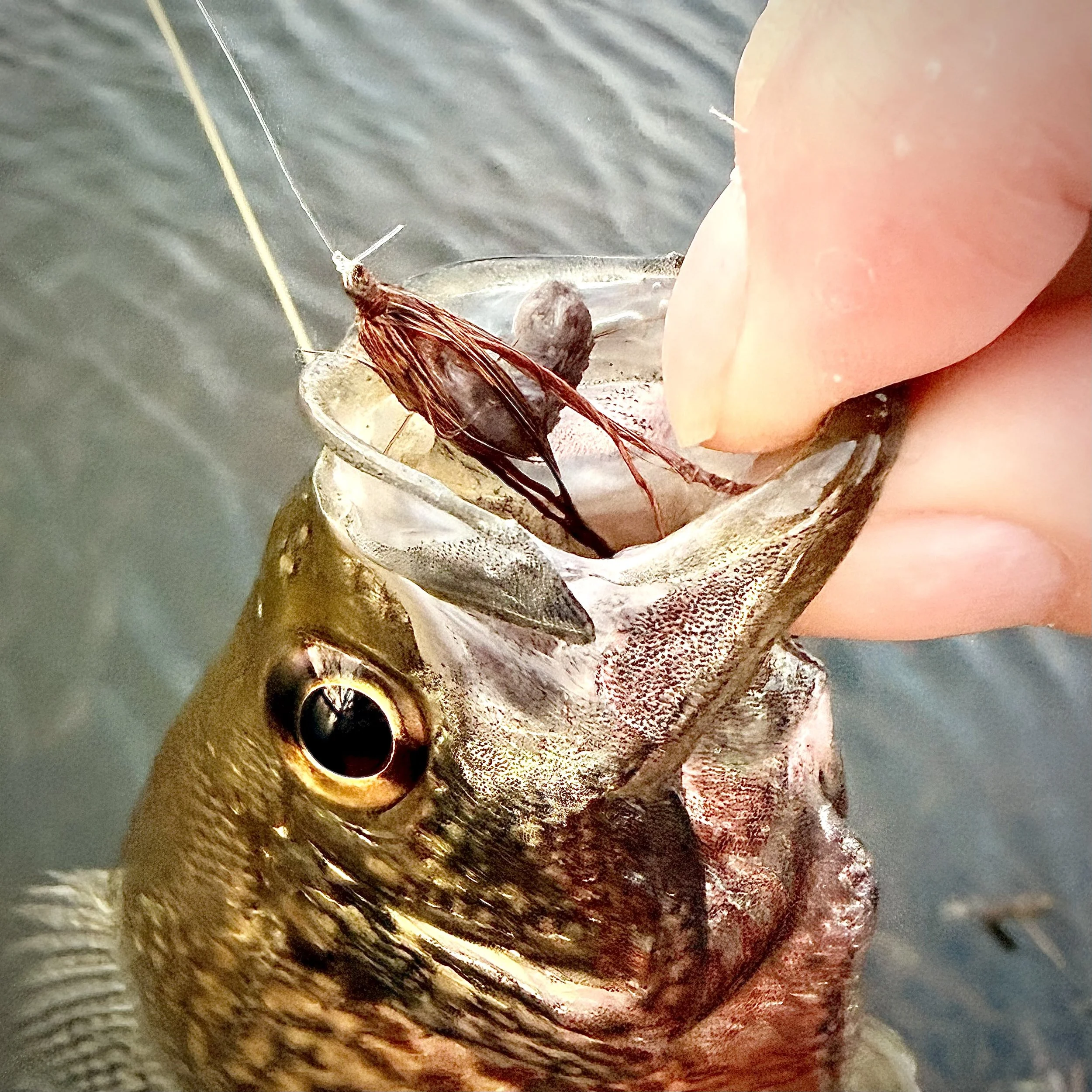
The Creature is a great pattern to use when fish get turned off by spring-time weather changes.
The Creature is a “mop-fly”, that is, a fly that is tied using dust mop fibers. But rather than simply lashing a mop fiber to the hook, this pattern includes rubber legs and pheasant rump feathers for extra movement, along with a dubbed hot spot of contrasting color. I fish the Creature with a slow hand-twist retrieve, pausing occasionally. On the pause, the fly hovers and then sinks very slowly. The fish tend to hold onto the soft, fleshy mop material longer than with other flies, allowing me to detect subtle takes in cold water.
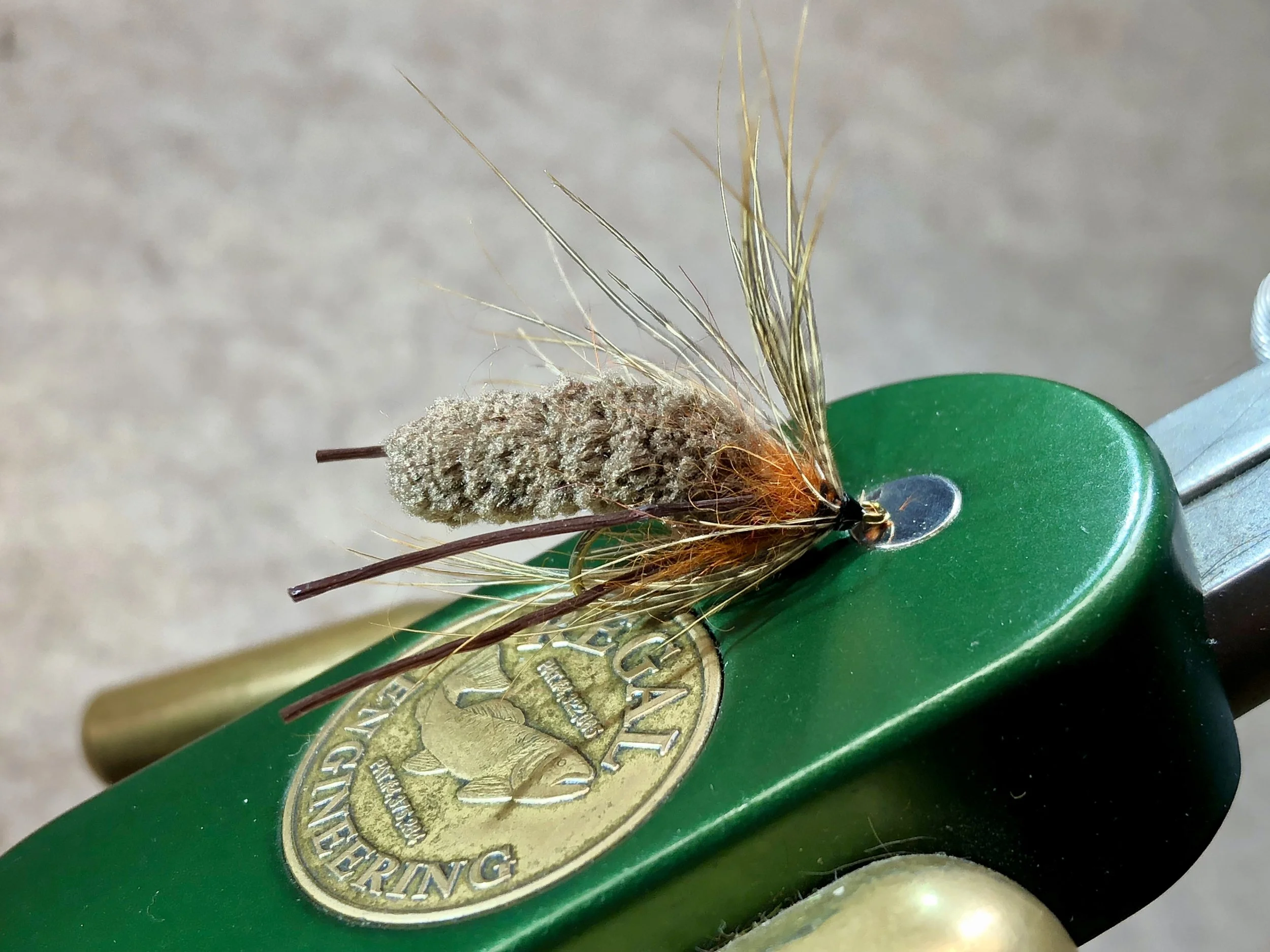
The Creature is a “mop fly” designed for warm water fish and is deadly on crappies when cold fronts give them a case of lockjaw.
As the water warms, small streamers and big wet flies retrieved with small strips rack up big numbers of fish. By the time the Dogwoods bloom, crappies begin to look to the surface for their next meal. Although crappies are not known for surface feeding, there is a brief window each spring when I catch them on topwater patterns. I look forward to catching big crappies on the surface every spring!
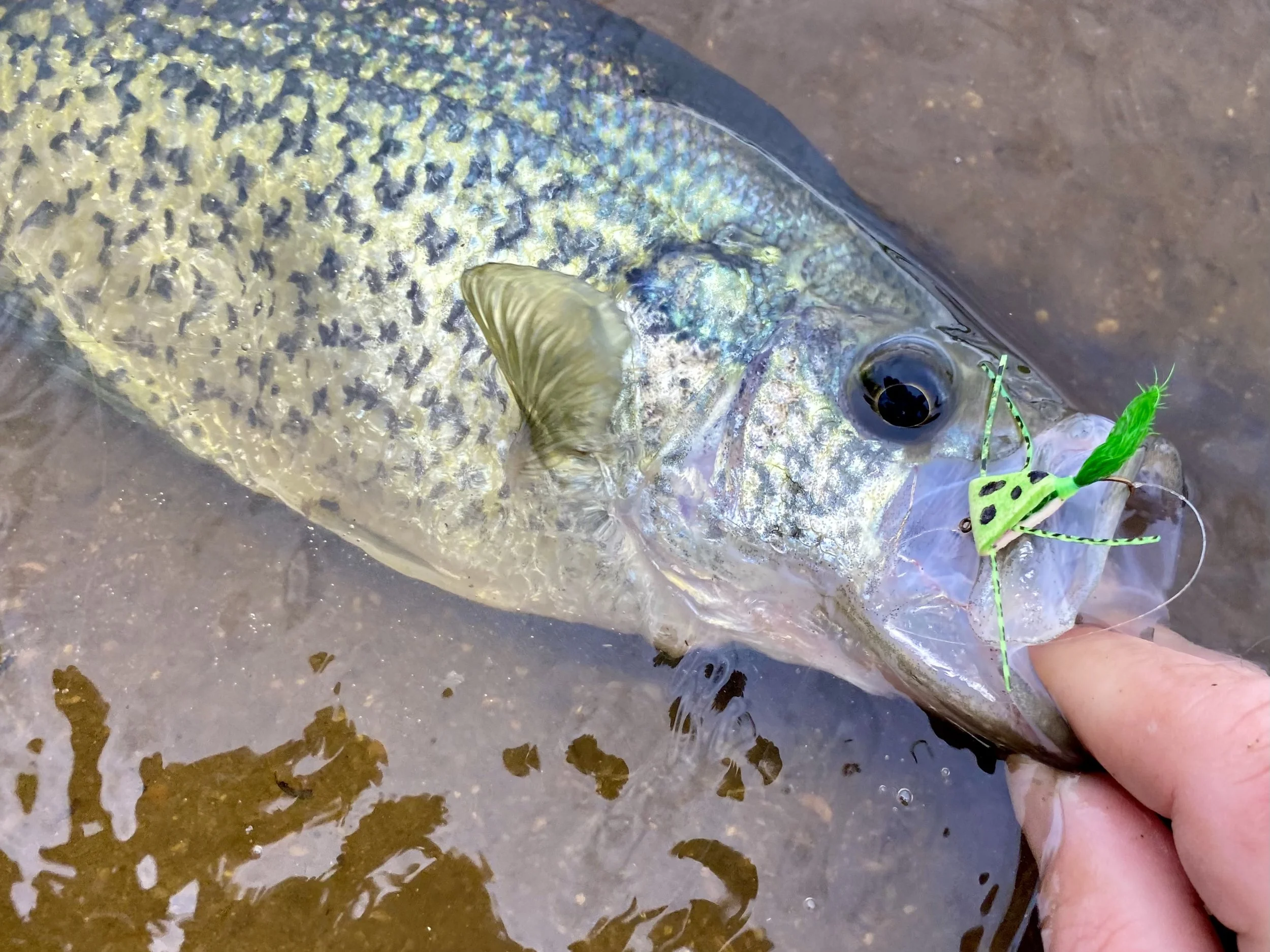
The Triangle Bug catches a lot of crappies on overcast days once the water warms.
Gear:
In my opinion, the fly rod is the perfect tool for catching crappies. The long, flexible rods prevent hooks from tearing out of the crappie's delicate mouth. For this reason, I reach for fiberglass or slow-action graphite fly rods. Rod weights range from three to five, depending on fly size and wind conditions.
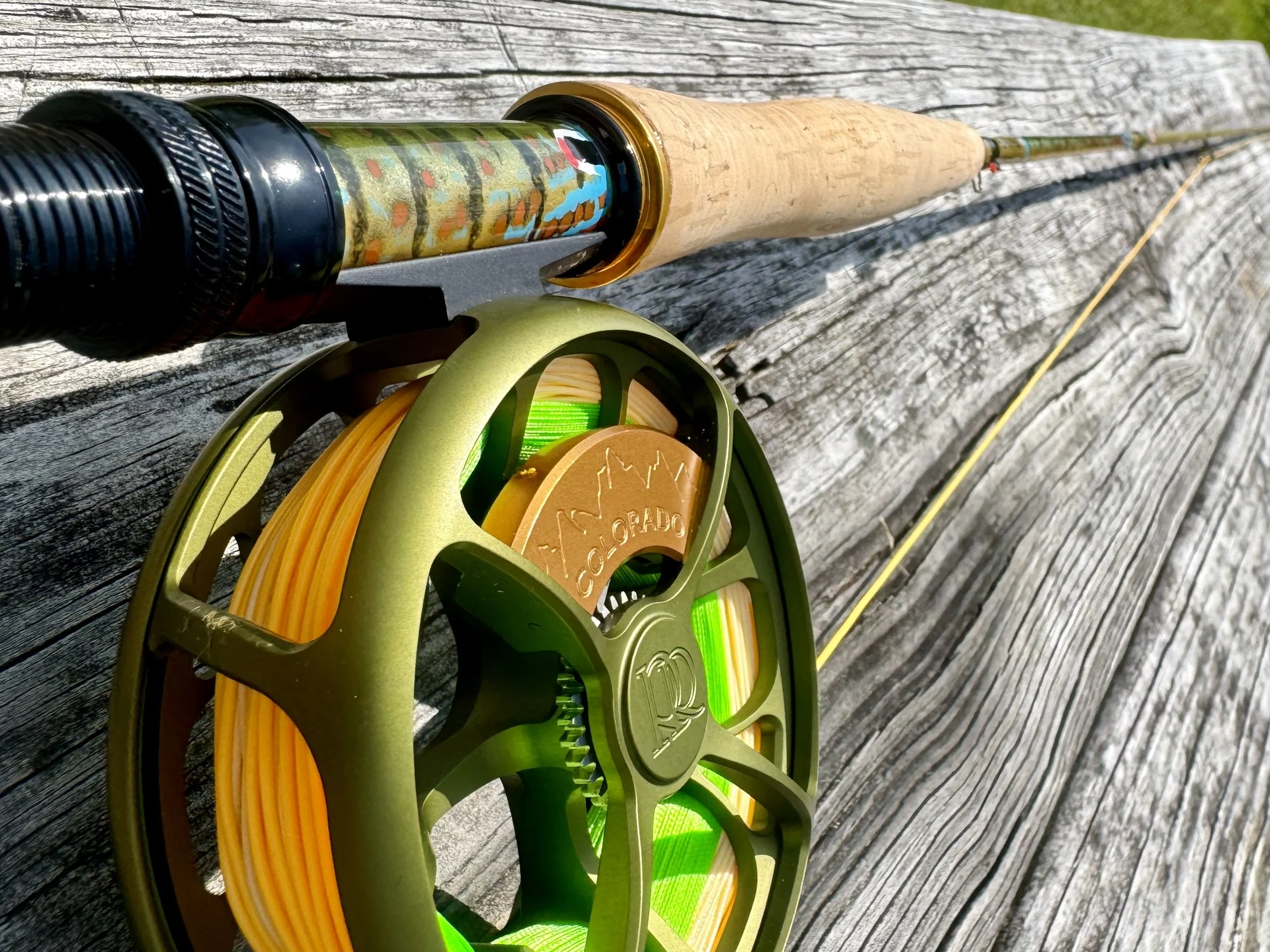
My favorite crappie rod is the Panfish On The Fly/JP Ross Toad, a 7’-7” fiberglass (S-Glass) 4wt. Perfect for casting any fly you would use for crappies.
This year, I have also been enjoying fishing with ultralight one and two-weight rods when conditions allow. Some of my local lakes contain stunted crappie populations that seldom exceed a foot in length. On these waters, I am thoroughly enjoying my new Orvis Superfine one-weight. Despite their small size, these little crappies can put a serious bend in this rod! While a floating flyline will handle most of your fishing, I always have an intermediate and sink tip line on hand when I need to present flies a little deeper.
Where To Find Them
I tend to focus on smaller bodies of water early in the season as they warm up faster, then move on to larger lakes as the season progresses. In the spring, crappies will be found around structures such as fallen trees, aquatic vegetation, submerged brush piles and timber, pilings around bridges and docks, and rip-rap areas. One lake in my area has a corrugated steel wall along the shoreline where it abuts a roadway. This uneven vertical surface is a magnet for crappies.
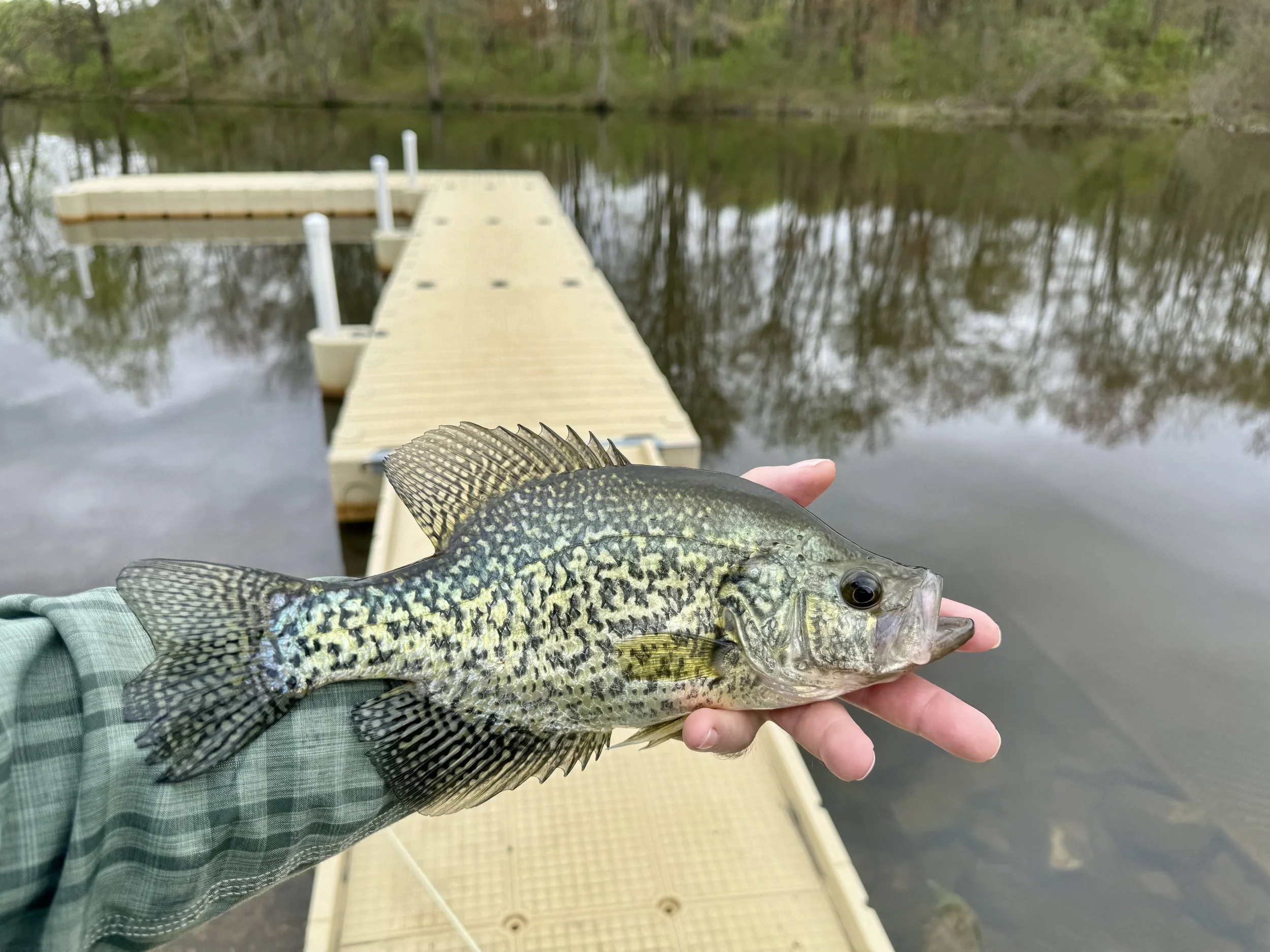
Crappies love to hang out around natural and man made structures, like docks.
I have a few local ponds that offer good bank fishing, with open shorelines that allow for fly fishing. However, most of my fishing will be done from a float tube or a kayak. Watercraft will give you better access to fish and offshore structure, and allow for more effective presentations that are impossible to replicate when fishing from shore.
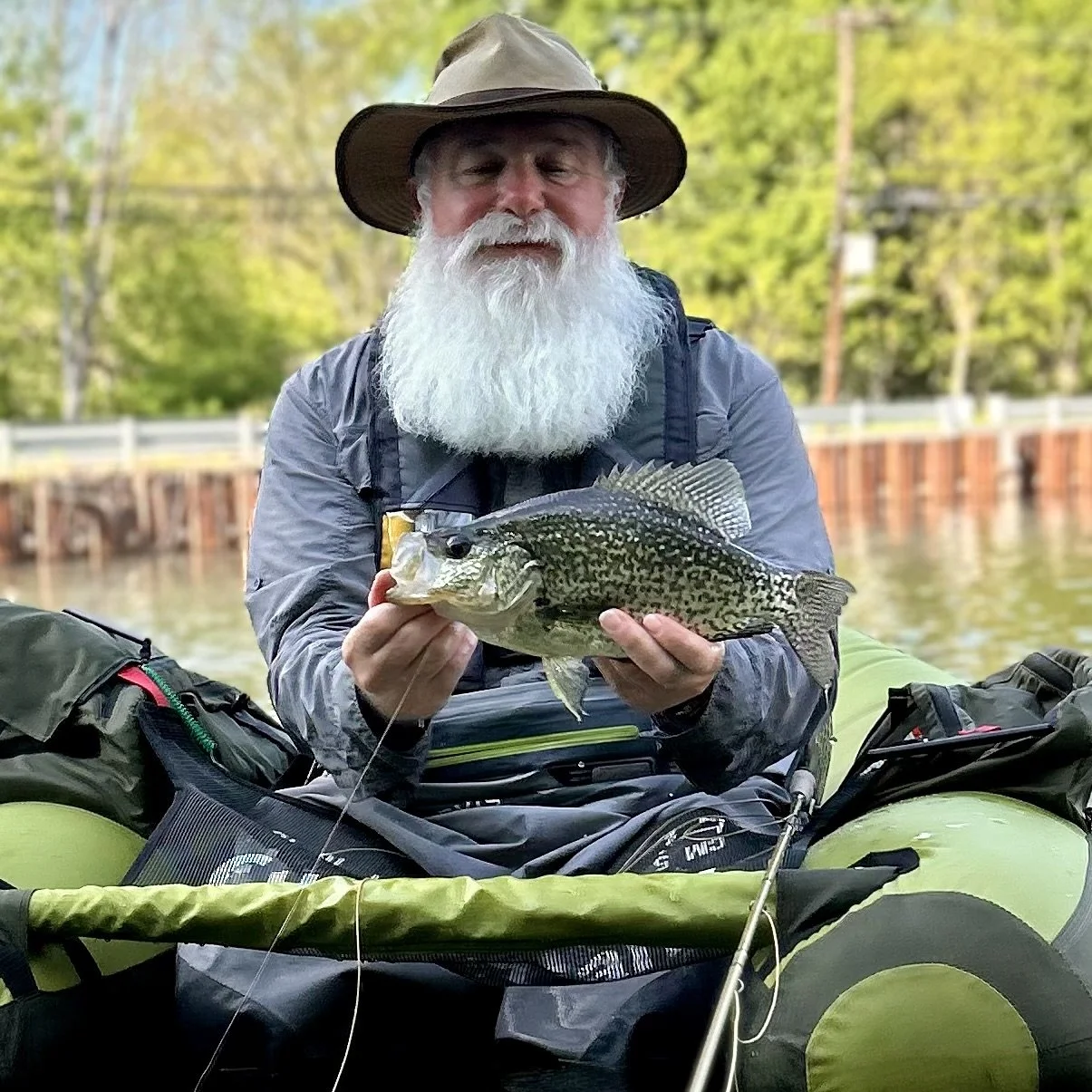
Float tubes and kayaks will give you better access to good crappie water.
The first crappies of the year are already in the books. I do most of my crappie fishing on smaller ponds and lakes, since these waters tend to warm up faster in spring and often hold good numbers of fish. Occasionally, I will also fish slow-moving sections of rivers for crappie, but my main focus is definitely stillwater. I am looking forward to enjoying more crappie fishing in the weeks to come, on those days when I can pry myself out of the local trout streams!
Quisque iaculis facilisis lacinia. Mauris euismod pellentesque tellus sit amet mollis.