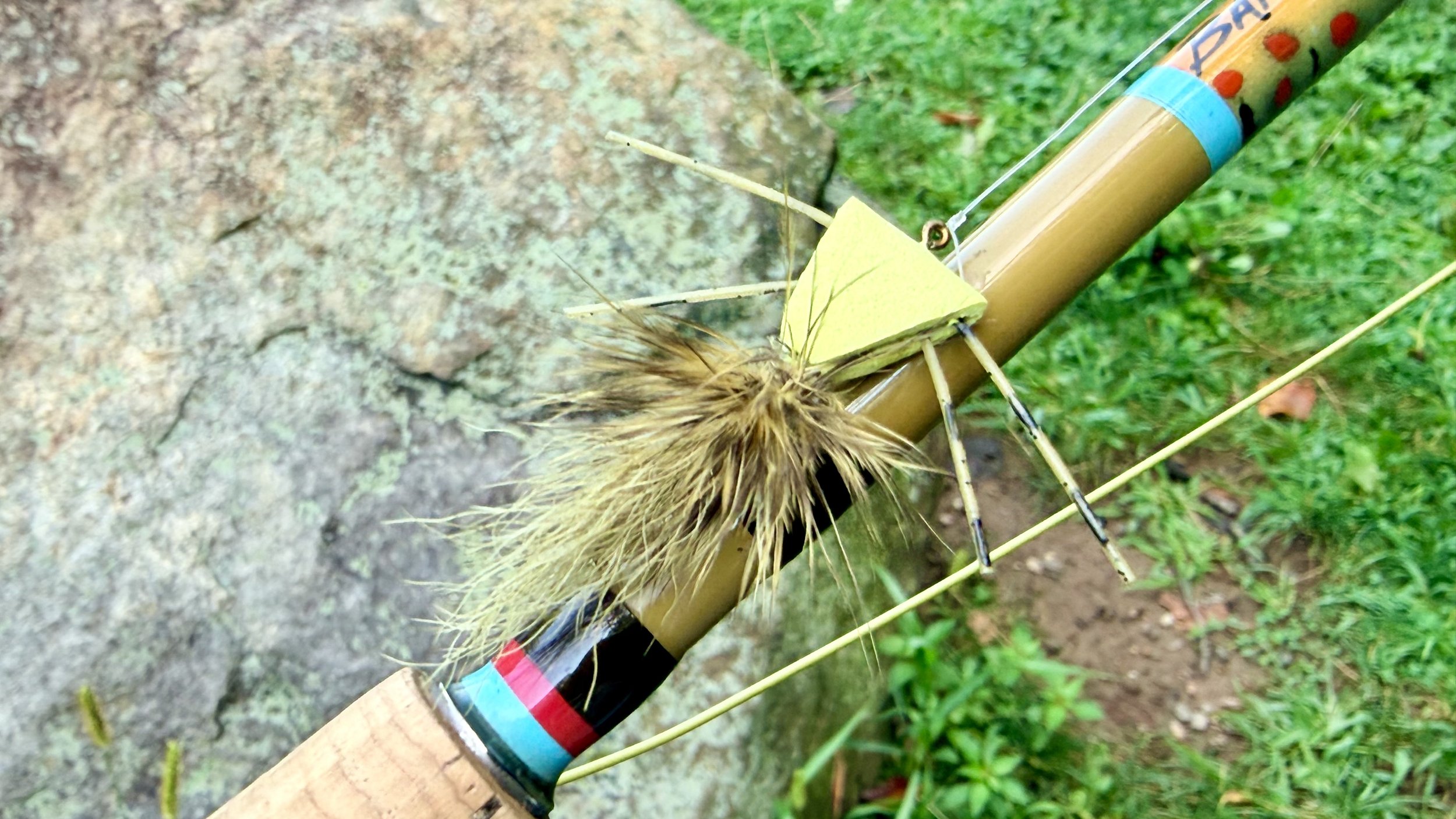
The Triangle Bug has undergone many iterations since I first developed the fly over 20 years ago. Over the years, I have tried many things with the pattern. Two-toned bodies, different materials for the tail- I even tied Gerbubble bug versions with feather fibers sticking out the sides. While all these flies caught fish, none seemed to be any more effective than the simple three-material fly with a foam body, silicone legs, and calf tail for the tail.
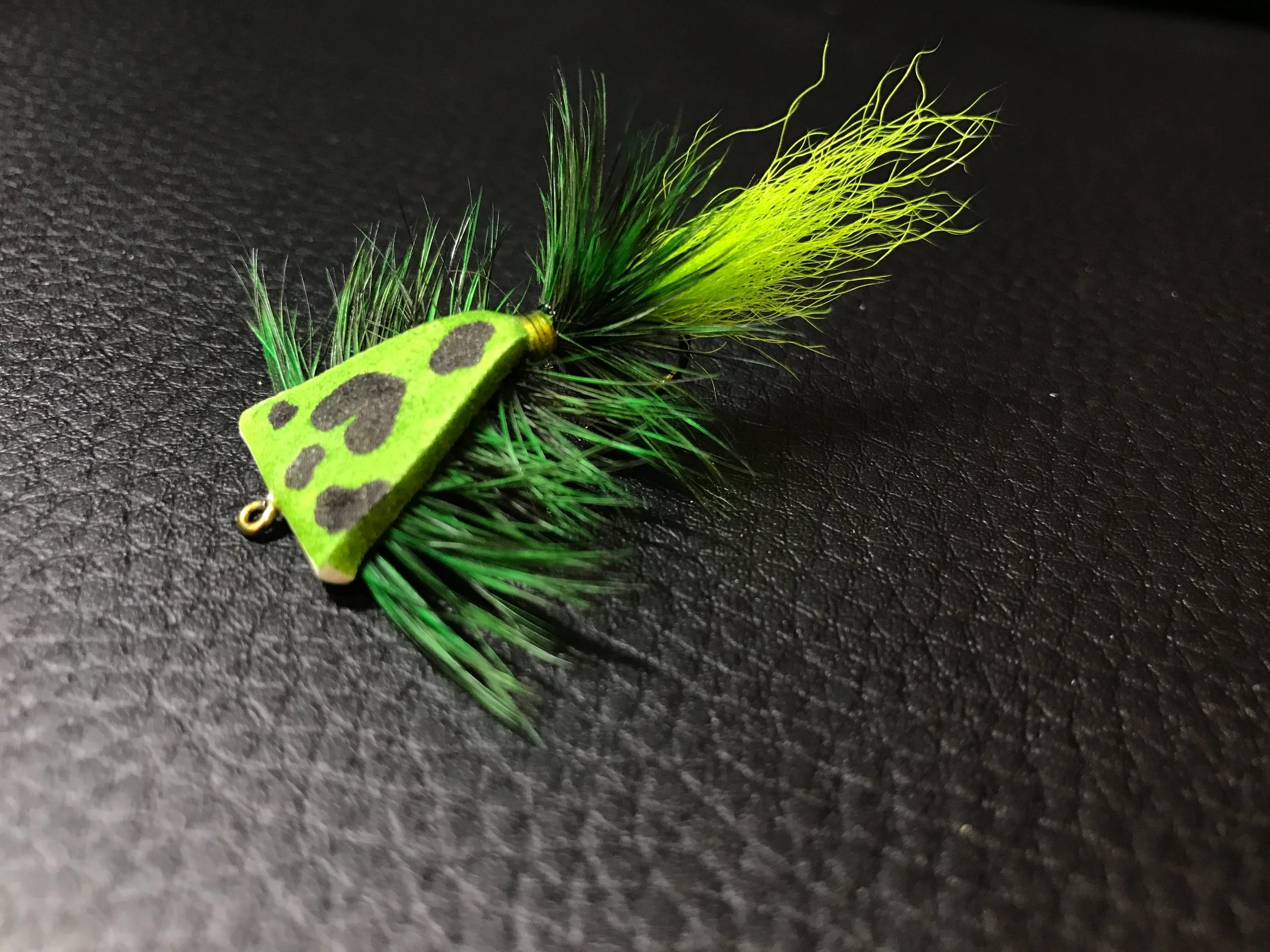
A large Gerbubble Bug version of the Triangle Bug that I occasional tie for bass and pickerel
A while ago I was cleaning up my fly tying desk, something I need to do frequently, as I am a very messy fly tier. Stop by my table at any of the fly-fishing shows I tie at, and you will see what I mean. Most demonstration tiers keep their tying areas immaculate; mine usually looks like I just blew up a few birds and a small mammal on it! During one of these cleaning sessions, I came across four pre-cut light olive Triangle Bug Bodies stamped out with my foam cutter form River Road Creations. There were also a few long shank, size 8 streamer hooks in the mix, left over from a feather wing streamer tying session.
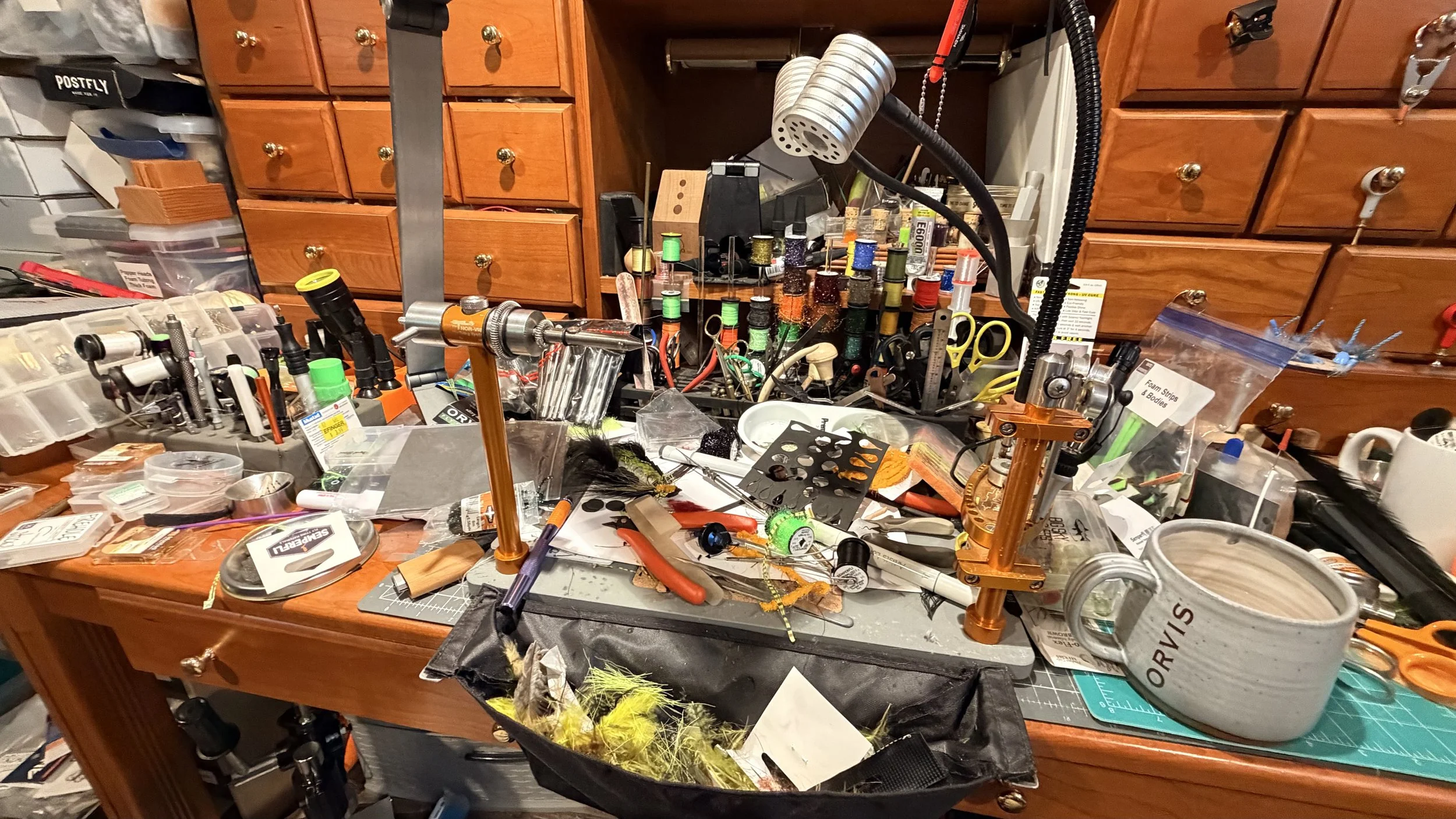
This is an example of what my desk usually looks like!
Rather than chucking the four left over Triangle Bug bodies in the waste bin, I stopped my cleaning session and sat down at the vise to bang out four quick Triangle Bugs. Right off the bat, I realized that these particular hooks would be too long for my standard-sized Triangle Bug. Of course they would fish just fine, but when I finished the first one, that extra bit of hook shank hanging off the back of the body bothered me. Among the other materials still to be put away was an olive hen neck that perfectly complemented the olive calf tail I used for the body. A hen feather palmered on the hook shank nicely filled up what I felt was an unsightly gap between the body and the tail. Some old trimmings of flash were also used in the tail. The finished fly looked good, so I tied up three more with the remaining bodies and threw them in a fly box.
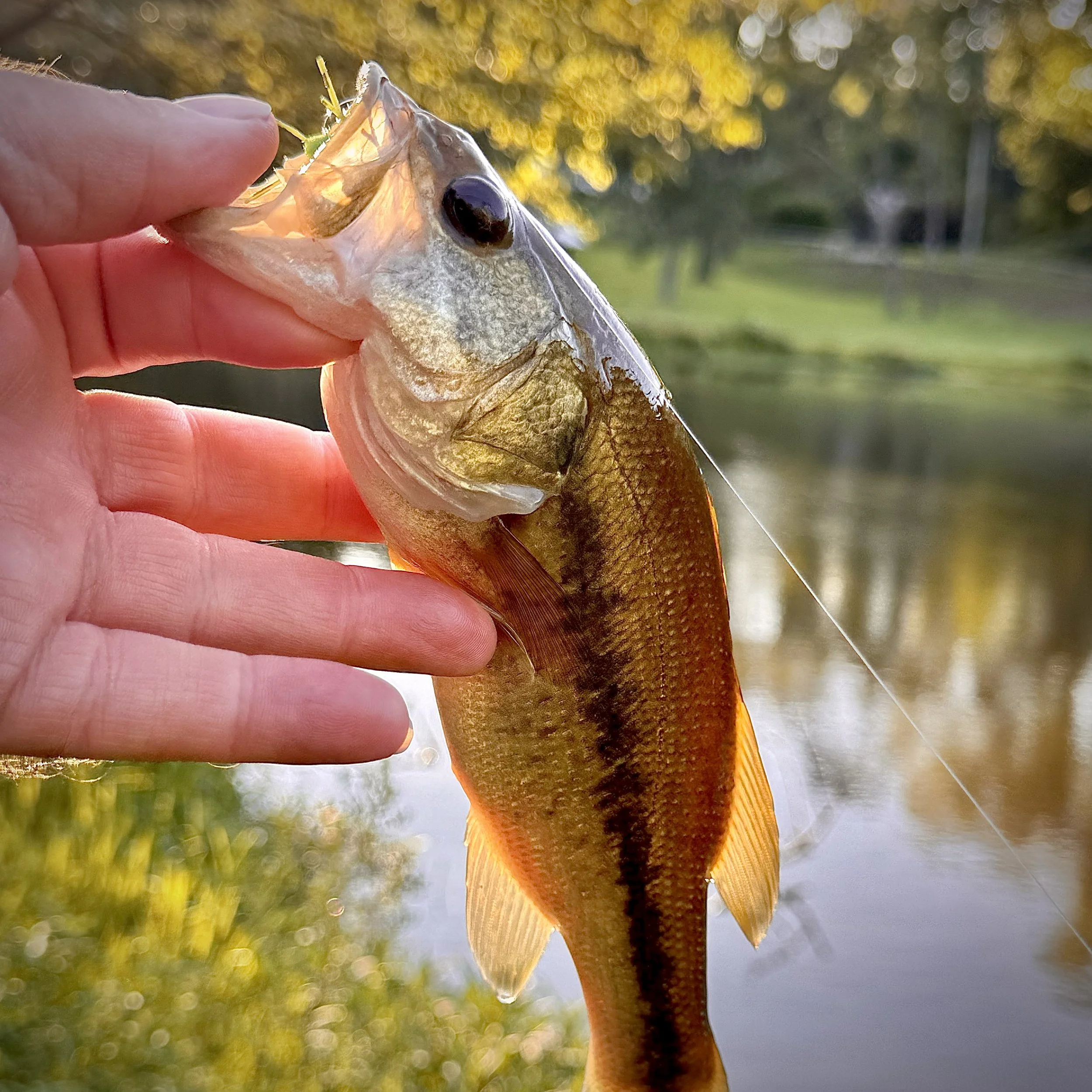
It was hard to little bass like this off of the full dress version of the Triangle Bug
The first time I fished the pattern, I was rewarded with a chunky little largemouth after a few casts; by the end of the session that fly had caught over half a dozen foot-long largemouths, and in the weeks that followed the fly continued to catch more small largemouths than panfish. I even fished it on Connecticut’s Housatonic River for smallmouth bass and managed to catch a few smallmouth bass on the pattern.
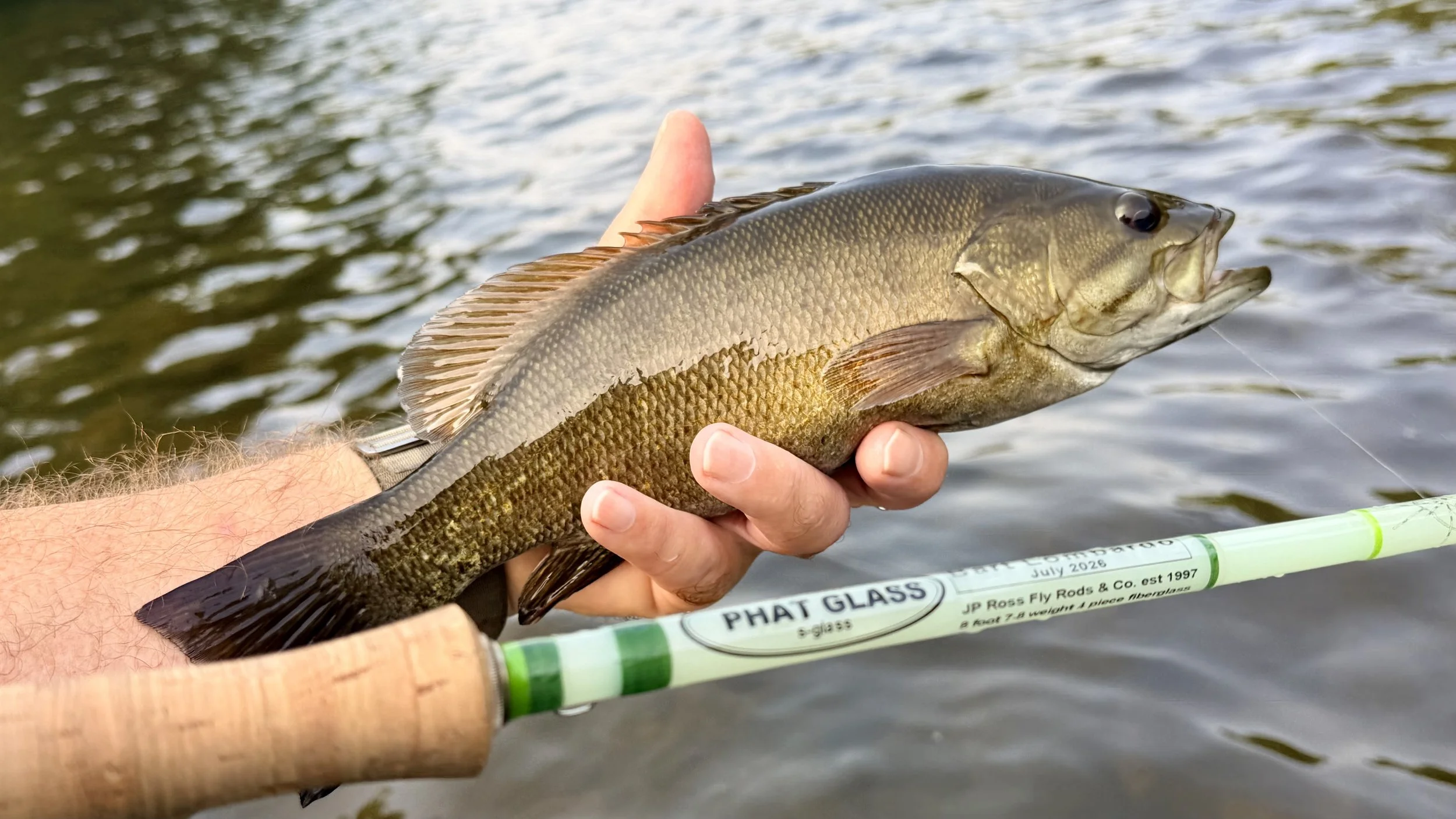
Smallmouth bass could not resist the new Triangle Bug when slightly twitched on a dead drift.
While I routinely catch quite a few juveniles and the occasional 2-3-pound bass on standard Triangle Bugs, this dressed-up version seemed more attractive to bass than the standard version. Its performance with panfish was not as good as a standard Triangle Bug, but the ones it did catch were very large. Over the course of the next few weeks, those four “full dress” triangle bugs racked up impressive numbers of small bass, so many that I decided to tie up some more and make them a regular addition to my top water fly box.
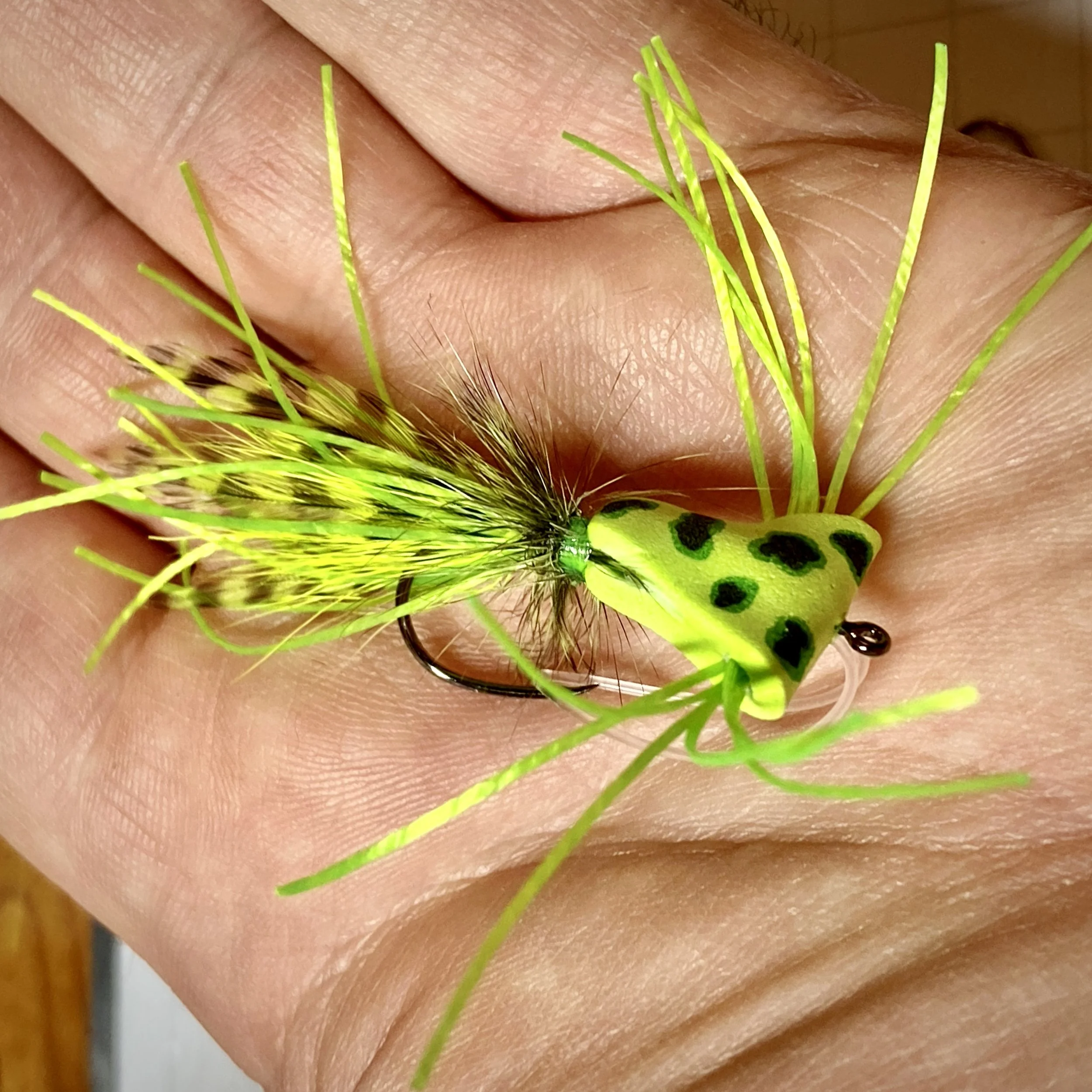
Another example of a large bass-sized Triangle Bug, complete with multiple legs in the body and the tail as well as saddle hackle and a feather collar. New larger Triangle Bug bodies coming soon!
Although I often tinker with fly patterns (my own and those others have developed), I usually do it with a specific purpose in mind, such as increasing visibility, making it sink slower/faster, float better, etc. This version of the Triangle Bug was a happy accident, something that came about because I was looking to do something other than cleaning up my mess.
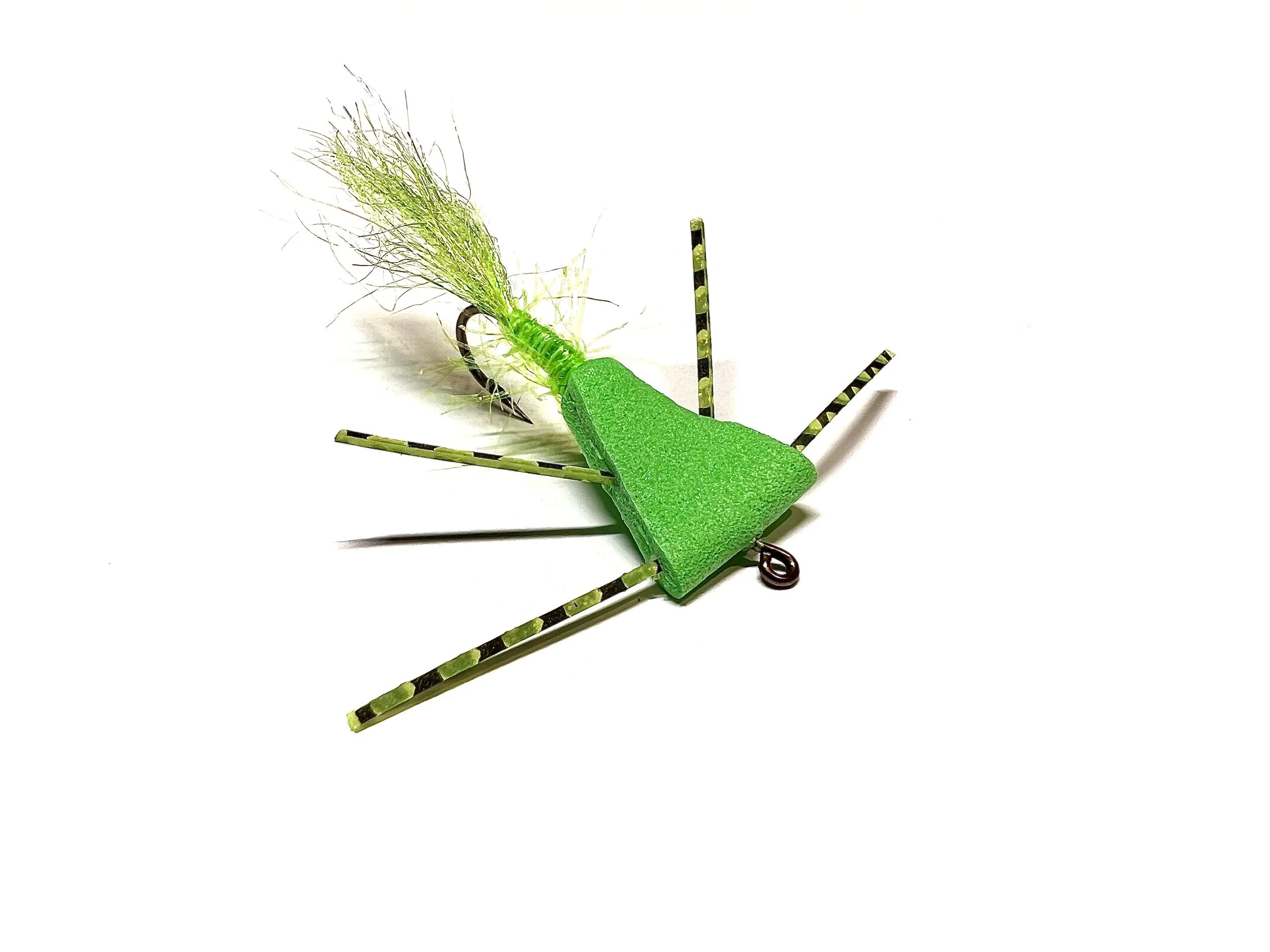
I tied up this dressed-up version a while ago and used Semperfli’s Straggle String as a tail dressing. It worked well but did not appear to be more effective than the original, nor did it attract the same number of bass.
I suspect it is the added bulk and the increased surface disturbance that make the full-dress version more attractive to bass, which also tends to keep away all but the larger sunfish. While I will likely never change the clean, simple lines of the original Triangle Bug when using the fly to target panfish, the full-dress version is a great fly for those bodies of water that have big numbers of smaller bass or when you are looking to target bigger panfish.
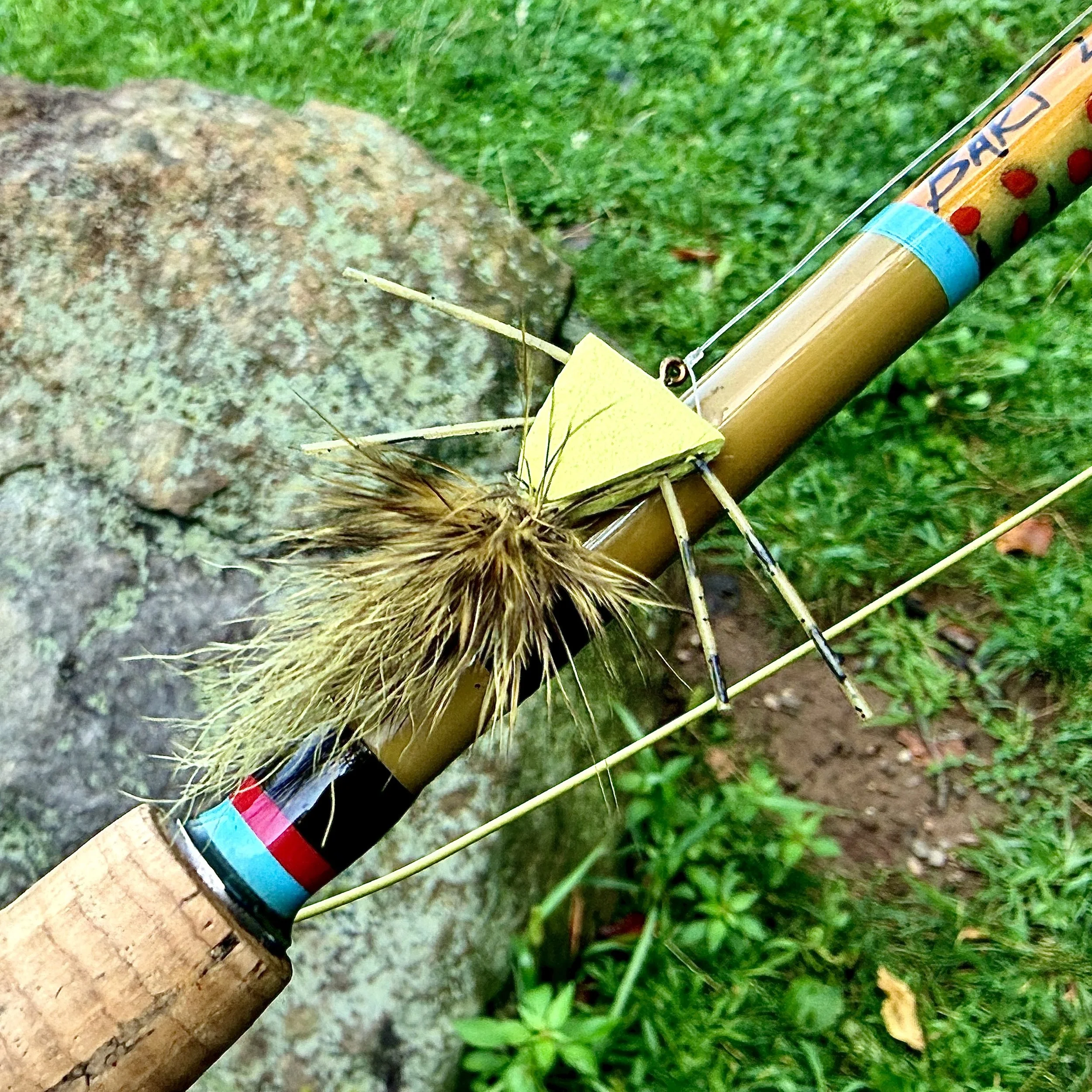
Pattern Recipe:
Hook: 4x long Streamer Hook size (original version uses a 3x long hook)
Thread: 6/0 Semperfli Classic Waxed Thread
Tail: Calf tail and palmered hen hackle (Optional: a few strands of flash)
Body: 2mm Foam cut with the Triangle Bug Foam Cutter ( or cut a diamond shape by hand)
Legs: Silicone or round rubber
Quisque iaculis facilisis lacinia. Mauris euismod pellentesque tellus sit amet mollis.